Blog
Articles on technology, leadership, AI, and more.

The Eureka Machine: What It Takes for AI to Do Science
A review of Richard Socher’s The Eureka Machine: scientific AI, experimental evidence, human judgment, and the work between prediction and discovery.

The Trust Code, Reviewed: When AI Deserves Our Confidence
A review of Tiffany Xingyu Wang's The Trust Code: how AI earns trust, where human judgment matters, and what makes that judgment possible.
Two vendors, one standard: running a real upgrade with synthesis engineering
A real three-day upgrade with two AI vendors exposed the Built/Deployed Gap: controls and records that passed checks but never reached the running system.

The Decision Packet: batching AI agents' questions without rubber-stamping them
A synthesis engineering pattern for staying in command of AI agents at speed: collect every decision they owe you into one honest, reviewable page.
The migration that was finished until a stranger looked
A synthesis engineering story about Blind-Spot Rotation: how an AI reviewer with fresh context can find gaps the original inventory and checks missed.
“Not found” is not “does not exist”
An AI agent's 'not found' is not 'does not exist.' Five rules for proving absence with bounded reads, positive controls, and scoped negative claims.
Choosing Local AI Models by Measuring the Machine
Profile a computer, choose local open-weight models that fit, install them safely, and map exact artifacts to each machine with a reproducible workflow.
I cut my agent's always-loaded instructions by 62% and weakened no rule
The thin instruction kernel: CLAUDE.md from 54,825 bytes to 21,026 with no rule weakened. Invariants, a routing table, and enforcement declarations.
Why Synthesis Engineering Exists: Building Across AI Agent Runtimes, Not Around Them
Why synthesis engineering exists: model, runtime, and state portability across Claude Code, OpenAI Codex, Cursor, Hermes Agent, and OpenClaw, without lock-in.
My AI executive assistant writes in its own voice. My AI chief of staff writes in mine.
Ragbot and Ragenie, EA AI and chief-of-staff AI: why my executive assistant agent writes in its own voice while my chief of staff agent writes in my voice.
My design record ruled out agent-to-agent messaging. Six days later I shipped it.
I documented why session-to-session agent messaging would fail, then built it six days later. Why a design record is not a constraint, and what actually is.
What agent memory research taught me about twenty years of notes
Tiered memory for a personal knowledge base: what MemGPT, Zep, and Mem0 teach about structuring two decades of notes so AI agents find the right ten files.
AI tools should copy GitHub's identity model, not your employer's
Enterprise workspaces hand you an account and take it back on departure. GitHub does the opposite. Multi-user AI tooling keeps picking the wrong one of the two.
What should survive when you change AI tools
Project state, methods, authority rules, coordination, and evidence: five things open agent infrastructure should preserve across AI tools and clients.
A Green Config Is Not a Working Agent: Five Planes of Agent Conformance
A green config is not a working agent. Five conformance planes for AI agent infrastructure: source, installed state, live behavior, continuity, capability.
I gave my AI agents a chief-of-staff job description. The hard part was the org chart, not the code.
AI agents as chief of staff: how I encoded absence coordination, notification tiers, send gates, and silent-failure validators into open-source config.
Anonymization Is Not Name Removal
Removing names removes nothing; the scenario is the fingerprint. Five tests (precedent, provenance, negativity, identification, aggregation) before publishing.

Inside Code book review: The work of living your values
A review of Jacques-Philippe Piverger's Inside Code: how values become everyday practice, what its framework offers, and where its claims need scrutiny.
Ask Your AI to Refute You, Not to Review You
AI review defaults to confirmation. A refutation protocol: hostile lenses, uncertainty charged against the work, findings that must survive their own panel.
Honest labels for AI-assisted correspondence
Honest labels for AI-assisted correspondence: three lanes that tell recipients whose words they're reading, from executive staff practice to Ragbot and Ragenie.
The AI agent that deleted 474 of my files was right. I checked anyway.
An AI agent deleted 474 files and its report was accurate. Verifying an agent's summary, not just its work, is the discipline that catches the divergence.
A Warning That Doesn't Block Is a Bug
A pre-commit guard printed its own failure and passed the commit anyway. The fix for the class: fail closed, carry a doctor, spend false alarms like currency.
For AI disclosure guards, the secret isn't the name. It's the approval.
Name blacklists over-block your published biography and under-block real leaks. A disclosure model for AI agents built on approval, provenance, and five tests.
I told a sub-agent to check before committing. Minutes later, I didn't.
Multi-agent AI coding creates failures solo sessions never see: a shared git index, one-shot briefs, report chains. Three incidents and the checks they taught.
Your AI Assistant's Memory Isn't Actually Yours
Three questions show why your AI coding assistant's built-in memory isn't a durable record — portable, synced, versioned — plus a worked audit proving it.
I built the conformance validator Google's OKF repo didn't ship
Google's knowledge-catalog repo shipped no standalone OKF validator, so I built a checker for the format's three hard rules. Open-sourced as synthesis-okf.
Why my AI stack has three runtimes
Conversation, procedure, direct manipulation: why my AI setup runs three interaction modes over one substrate of plain files I own, not one chat box.
Your coding agent should watch its own work run
Your coding agent should watch its own work run: browser automation like Playwright turns 'it should work' into 'I watched it work' with evidence attached.
Where AI assistance ends and the writer begins
Where AI assistance ends and the writer begins: whose experience, whose position, whose voice. Three provenance questions draw the line, not a percentage.
Prompt discipline is engineering infrastructure
Prompt discipline is engineering infrastructure: a forbidden-phrase catalog, hooks, and enforcement that catch AI coding agents dressing shortcuts as judgment.
Slop detection, not AI detection
A free, open-source tool that reads content along two axes: AI-provenance signal and slop-independence. Built for editors, writers, and anyone deciding what is
The architecture of an open-source slop detector
Multi-pass orchestrator, seven-layer hosted-tier safety, tools-router pattern, and the open-source license choices that keep a free LLM-mediated tool alive. The
A compounding pattern catalog for AI slop
Why a methodology for detecting AI-generated content should keep the patterns it retires, not delete them. The shape of the catalog behind slopcheck.
One context file carried a redesign across eight AI sessions
A single CONTEXT.md carried an editor redesign across eight AI coding sessions. The ownership split that made it work: humans direct, the AI keeps the record.
Synthesis engineering needs a pedagogy, not just a methodology
A methodology tells practitioners what to do. A pedagogy forms judgment. What the Bauhaus teaches about growing synthesis engineering beyond its founders.

Three Ragbot releases, one architectural shift
Reading Ragbot v3.3 (local Gemma 4 as first-class), v3.4 (the conversational-runtime release), and v3.5 (substrate cleanup) as one architectural arc — Ragbot be
Every bug report is now a patch-or-redesign decision
The minimal patch is a habit from when understanding was expensive. AI coding agents ended that economy, and most of us never consciously make the choice.
The Direction Dynamic in ops: driving multi-tool recovery through a single AI session
The technical fix was the easy part. The recovery was tedious GUI work across Search Console, Bing Webmaster, and Cloudflare. I drove all of it through one Clau
How static-site migrations silently break SEO, and the build-time check that catches it
A silent sitemap regression after my Hugo-to-Astro migration degraded indexing for three months. The diagnosis was small. The audit that followed was not. Here
Introducing synthesis writing
Introducing synthesis writing — the discipline of keeping the creative act of writing wholly human while letting AI help with the scaffolding. What it is, what
Postel's Law for the human-AI interface
When one end of a software contract is an LLM, Postel's Law isn't a courtesy — it's load-bearing. The shape that lets you ship: document-as-contract.
Synthesis Project Management Now Works Across Claude Code and Codex
Synthesis project management now works across Claude Code and OpenAI Codex by keeping durable project memory in CONTEXT.md, REFERENCE.md, and sessions. Updated

Demo mode as a pattern for software
Ship every software product with built-in demo mode. The pattern serves authors, users, sales teams, and compliance — and synthesis engineering makes it cheap e

Through the Stage Door
Fitz and I went to Broadway to watch his second cousin Emmet Smith perform as Albus Potter in Harry Potter and the Cursed Child. What happened after the show wa

Restoring 16 Broken Blog Images Using AI, the Wayback Machine, and a 93GB Photo Backup
How I used Claude Code, the Wayback Machine, and AI vision to restore 16 broken images from a decommissioned Smugmug photo hosting service across 10 blog posts.

Synthesis Console: open-source tooling for synthesis engineering
An open-source local tool that renders project management markdown and YAML as browsable, searchable pages. Three dependencies, no client-side framework, and a
Transferable Knowledge: The Fifth Pillar of Synthesis Coding
You understand your AI-generated code. Can your teammates? Transferable Knowledge is the fifth pillar of synthesis coding -- ensuring AI-assisted work is compre
"All tests pass" is a warning, not a clearance
Why a green test suite after a schema change should trigger suspicion, not confidence. A verification methodology that catches what tests structurally cannot —
Stop asking me: configuring Claude Code permissions for uninterrupted flow
A practitioner guide to eliminating Claude Code approval prompt fatigue. Why granular command patterns fail for compound commands, the Bash(*) plus deny list ap
The blast radius principle: defensive patterns for AI-generated commands
Every command an AI assistant proposes has a blast radius: the worst it can do if wrong. Dangerous shapes, safer forms, and a three-tier safeguard hierarchy.
Managing AI agent skills at scale: a three-repo architecture
A three-repo architecture for managing public, private, and team AI agent skills with provenance tracking, drift detection, and synthesis merge — the first stan
The Synthesis Thinking Framework: A Practitioner's Guide
Five thinking modes for technical practitioners who work with AI agents daily. A detailed methodology with real examples from managing sixty concurrent AI colla
Your AI Is a Thinking Partner. You're Using It as a Search Engine.
Most leaders ask AI for answers. The ones gaining a real edge ask it to think with them. Here's the five-mode framework that makes that partnership work.
Synthesis Skills: install methodology directly into your AI workflow
22 open-source Agent Skills encoding synthesis coding and synthesis engineering methodology. One command installs code review, content quality, project manageme
Who keeps the AI dividend?
AI productivity gains flow to employers while workers get more work for the same pay. Evidence from BCG, NBER, and labor economics shows why sharing matters.
Synthesis merging: what happens after the first PR
Synthesis merging goes beyond conflict resolution. It is the creative act of integrating contributions into a coherent whole, making the combined result better
The Tiered Context Architecture: Managing AI Working Memory at Scale
When AI context files grow to 1,000+ lines, they degrade the collaboration they were built to support. The tiered context architecture solves this with three in

Fred Mann
Frederick G. Mann hired me when I was a college kid in 1995 and changed the trajectory of my life. He passed away on February 13, 2026.
When a code review runbook becomes an upgrade playbook
I built a code review runbook to find problems. Then I used it on codebases I owned, and the review categories became execution phases. A checklist for assessme
What reviewing real codebases taught me about code review
I published a 900-check code review runbook. Then I used it on real engagements. The checklist worked, but the real lessons were about the process — starting wi
Recommend A, implement A: behavioral contracts for AI collaborators
My AI assistant argued for prevention, then implemented detection. Behavioral contracts in CLAUDE.md turn recommend-A-implement-B drift into a review comment.
When Someone Else Contributes to Your Synthesis-Coded Project
Standard merge workflows break down for synthesis-coded projects. The adopt-and-adapt pattern provides a disciplined integration methodology that respects contr

No, I'm not doing bodybuilding
Some of my friends from Delhi think my daily fitness training is bodybuilding. It isn't. Here's how I explain the difference.
When AI summaries become your sources
AI-generated summaries corrupt a knowledge base when derivative text is promoted to source. Not model collapse: no weights train, but the same failure shape.
Never verify a result with the tool that produced it
Orthogonal verification for AI-assisted development: check results through a mechanism independent of the one that produced them, and at every pipeline stage.
The hidden lesson of Richard Socher's career: AI makes engineering discipline more valuable, not less
Richard Socher built the research that powers today's AI coding assistants and then described exactly how organizations should use them. His 'managers of AI' fr
Bidirectional Learning in Synthesis Coding: When Human and AI Teach Each Other
Bidirectional learning in synthesis coding: humans teach AI through context, prompts, and review; AI teaches back by surfacing blind spots and edge cases.
The research lineage from recursive neural networks to human-AI collaborative development
Tracing the intellectual thread from Richard Socher's compositional representations through DecaNLP to the systems-level engineering challenges of human-AI soft
From learned representations to engineered context: what Richard Socher's research tells us about working with AI
Richard Socher's research arc — from GloVe to DecaNLP to 'managers of AI' — maps directly onto the principles behind synthesis coding. The connections are struc
Code Review That Scales: An Open-Source Runbook for Agentic Engineering
Most code review checklists are either too shallow or too heavy. This open-source runbook tiers review depth by project complexity — and is designed for agentic
Richard Socher nailed the future of work with AI
Richard Socher identified the skills that matter in the AI era: delegate clearly, specify requirements, build trust. These are learnable skills, not job titles.
The Part of Your Job AI Can't Do (And Why It Matters More Now)
There's a lot of anxiety about AI making engineering skills obsolete. But the most valuable part of what you do was never the typing. The judgment, the architec
When Two Frameworks Point the Same Direction
LangChain published Agent Engineering on December 9. I'd been developing Synthesis Engineering since early November. We arrived at remarkably similar conclusion
RAG Architecture Lessons from Practice
Building a retrieval-augmented generation system revealed patterns the tutorials don't cover. Contractions break search. Not everything needs an LLM. Full docum
Data Format Contracts for AI Pipelines
When tools interact, implicit assumptions break silently. Explicit data format contracts prevent the debugging sessions you don't have time for.
Context Loss and How to Prevent It
Why AI assistants forget what you told them, and practical strategies to prevent it. The difference between context that survives and context that gets lost.
From Tool to Team: Managing AI as Distributed Engineering
When you're running multiple AI sessions in parallel, you're not using a tool anymore — you're managing a team. The skills that matter shift accordingly.
The Foundation-First Pattern
Why the most effective AI-assisted projects start with humans writing code by hand. The counterintuitive pattern that makes everything else work.
Synthesis Project Management
A lightweight project management system for human-AI collaboration. Designed for context preservation across conversation sessions, context compaction events, m
What is Synthesis Engineering?
Synthesis engineering is a professional discipline for human-AI collaboration on complex work. Not just better prompting — a systematic approach with princ...
How Claude's Memory Actually Works (And Why CLAUDE.md Matters)
Understanding Claude's context architecture changes how you work with it. The tradeoffs between automatic continuity and on-demand depth explain why persistent
What OpenAI's Sora Build Teaches Us About Synthesis Coding
Four engineers shipped a #1 Play Store app in 28 days using AI agents. Their approach validates the patterns I've been writing about — and adds new ones worth s
Cracking a 25-Year-Old Password with Claude Code
While cleaning up old files, I found a password-protected Word document from 1999. I had no memory of the password. Claude Code and I cracked it together.
Scaling Synthesis Coding in Your Organization
A practical guide for CTOs and engineering leaders: cost analysis, team rollout strategy, training curriculum, and metrics for adopting synthesis coding at s...
Building ownwords: A Synthesis Coding Case Study
What separates synthesis coding from vibe coding isn''t the tools — it''s the decisions. This technical case study walks through the architectural choices,...

A Stranger's Words
A theater reviewer wrote about my son's performance. She didn't know she was writing about my kid.
Why Synthesis Coding Still Writes Code in the Age of LLMs
The answer is not "just let the model do it" — and code matters more, not less, as AI gets dramatically better Last spring, my son Fitz and I had an aftern...

Vibe Coding and Synthesis Coding: Two Complementary Approaches
Why the conversation isn''t about which approach is better — it''s about knowing when to use each This blog post is for software engineers, engineering lea...
Polyrepo Synthesis: Synthesis Coding Across Multiple Repositories with Claude Code in Visual Studio Code
I wrote this blog post for software engineers, architects, and technical leads. It is code-heavy and implementation-focused. This weekend I was working acr...
Seventeen years ago, I built a tool for the open Web. This weekend, I modernized it using Synthesis Coding with Claude Code AI
In 2008, I released a WordPress plugin called Blogroll Links. The plugin displayed lists of links on WordPress pages using a shortcode. But the idea behind...
AI Content Quality: An Open-Source Framework for Writing That Doesn't Read Like AI
An open-source framework for creators and reviewers — systematic patterns that separate professional AI-assisted writing from AI slop, plus prompts you can use
The Self-Improving System: The Fourth Pillar of Synthesis Coding
Synthesis coding treats both the project and the practice as evolving systems. Iterative context building is one of four threads that compound together — alongs
Active System Understanding: The Third Pillar of Synthesis Coding
AI can generate code faster than you can read it. AI also removes the friction that used to force engineers to read carefully — which is why this pillar is the
Systematic Quality Standards: The Second Pillar of Synthesis Coding
AI-generated code should meet the same quality standards as human-written code — and in practice the bar should be higher, because AI scales the cost of letting
Human Architectural Authority: The First Pillar of Synthesis Coding
AI can write code faster than any human. But it cannot hold a consistent architectural vision across months of development. That is why the first pillar of synt

Synthesis Coding with Claude Code: Technical Implementation and Workflows
A hands-on guide to practicing synthesis coding (a.k.a. synthesis engineering) with concrete examples, real workflows, and lessons from production systems ...
The Synthesis Engineering Framework: How Organizations Build Production Software with AI
From individual practice to organizational capability: a systematic approach to human-AI collaboration in professional software development This blog post ...
Synthesis Engineering: The Professional Practice Emerging in AI-Assisted Development
Why the most effective engineering organizations are developing systematic approaches that go beyond vibe coding — and why this practice needs a name This ...
The Iron Man Suit for Your Brain: Why AI’s Real Threat Isn’t What You Think
AI's real threat is not job loss or conscious superintelligence. It is humans using AI as a cognitive amplifier for destruction, well before AI becomes sentient
What Open Source Taught Me About Building Innovation
Open source is the most reliable engine of compounding innovation in software. The four properties that separate compounding projects from inert ones, and what
The Tool Chest: What Carrying a Multitool Teaches You
What years of using a Leatherman and a Swiss Army Knife in the situations that allow them have taught me about preparedness, well-made things, and the disciplin

The Economics of Starting Fresh in the Age of Generative AI
Greenfield AI development often delivers better ROI than legacy retrofits. Evidence from enterprise implementations and a framework for Canadian organizations.
The Future of Engineering Services: Building and Measuring Human-AI Teams
Engineering services must shift from billing hours to delivering capabilities. New measurement frameworks, team structures, and pricing models for AI-augmented
The Media Industry’s AI Transformation: From Newsrooms to AI-Powered Experience Engines
How AI transforms media organizations: from the new editorial stack and trust infrastructure to business model innovation and practical newsroom blueprints.
The CTO and chief product officer in the Age of Generative AI: A New Playbook for Technology Leadership
How the CTO and chief product officer roles change in the generative AI era: from building to deciding what to build, from prioritizing to curating.

Collective Intelligence: Making AI Work for Everyone
Three principles for inclusive AI from Cooper Union's Collective Intelligence panel: resource consciousness, participation beyond access, and knowledge sovereig

The Power Playbook: Decoding Leadership Dynamics in OpenAI’s Executive Announcement
Twelve power dynamics decoded from OpenAI's executive announcement, revealing how leaders control narratives, reinforce hierarchy, and manage organizational cha
Memory Mosaics: How AI Networks Learn to Remember – The Executive Code Podcast
The Executive Code podcast's first episode breaks down the Memory Mosaics paper from ICLR 2025, explaining how neural networks learn to remember.
RAPTOR: Recursive Thinking for Smarter AI Retrieval – The Executive Code Podcast
The Executive Code podcast explores Stanford's RAPTOR paper on recursive abstractive processing for smarter AI document retrieval and understanding.
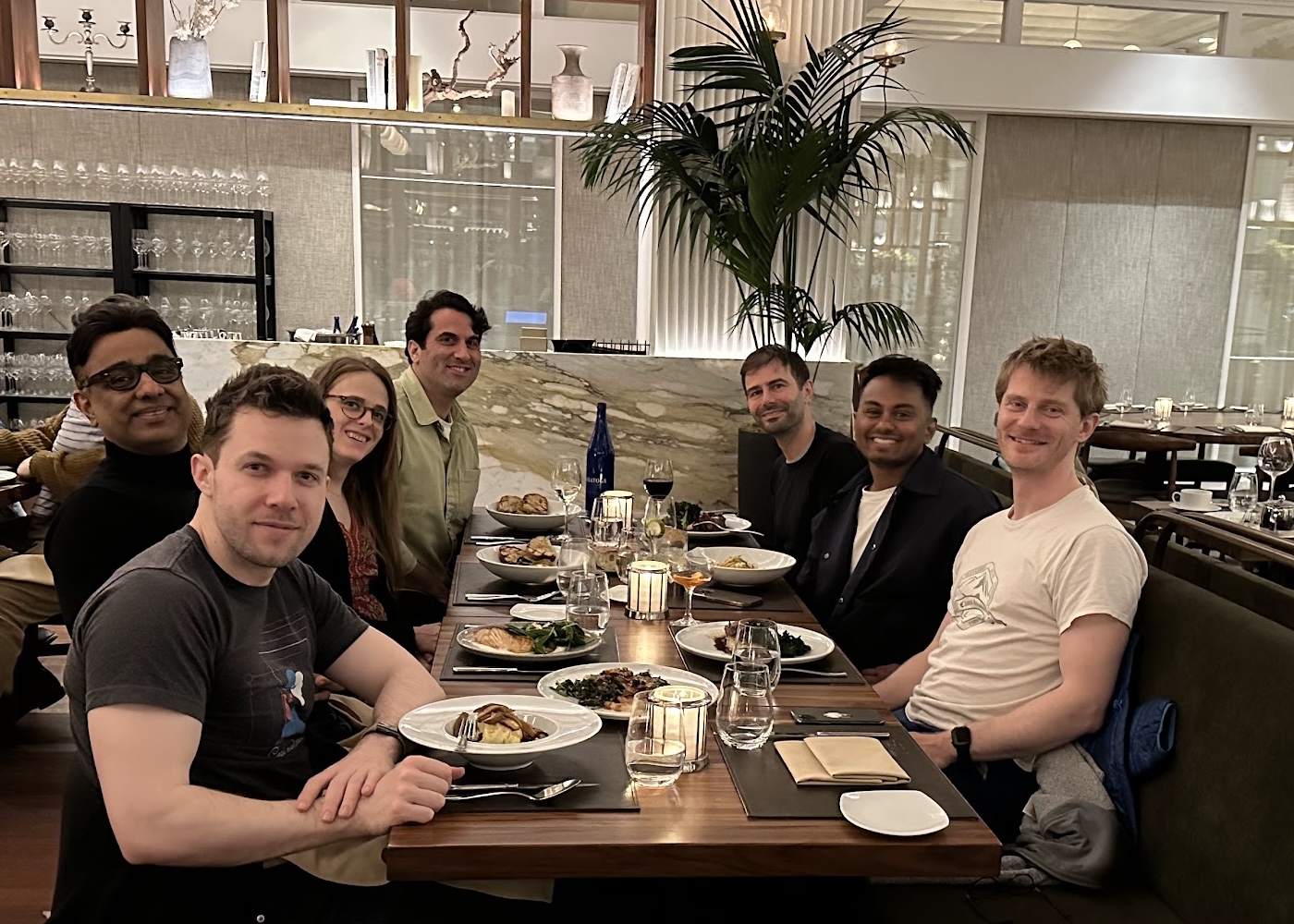
Why Prompt Engineering Is Legitimate Engineering: A Case for the Skeptics
Prompt engineering meets every definition of legitimate engineering: systematic methods, measurable results, deep system understanding, and specialized knowledg
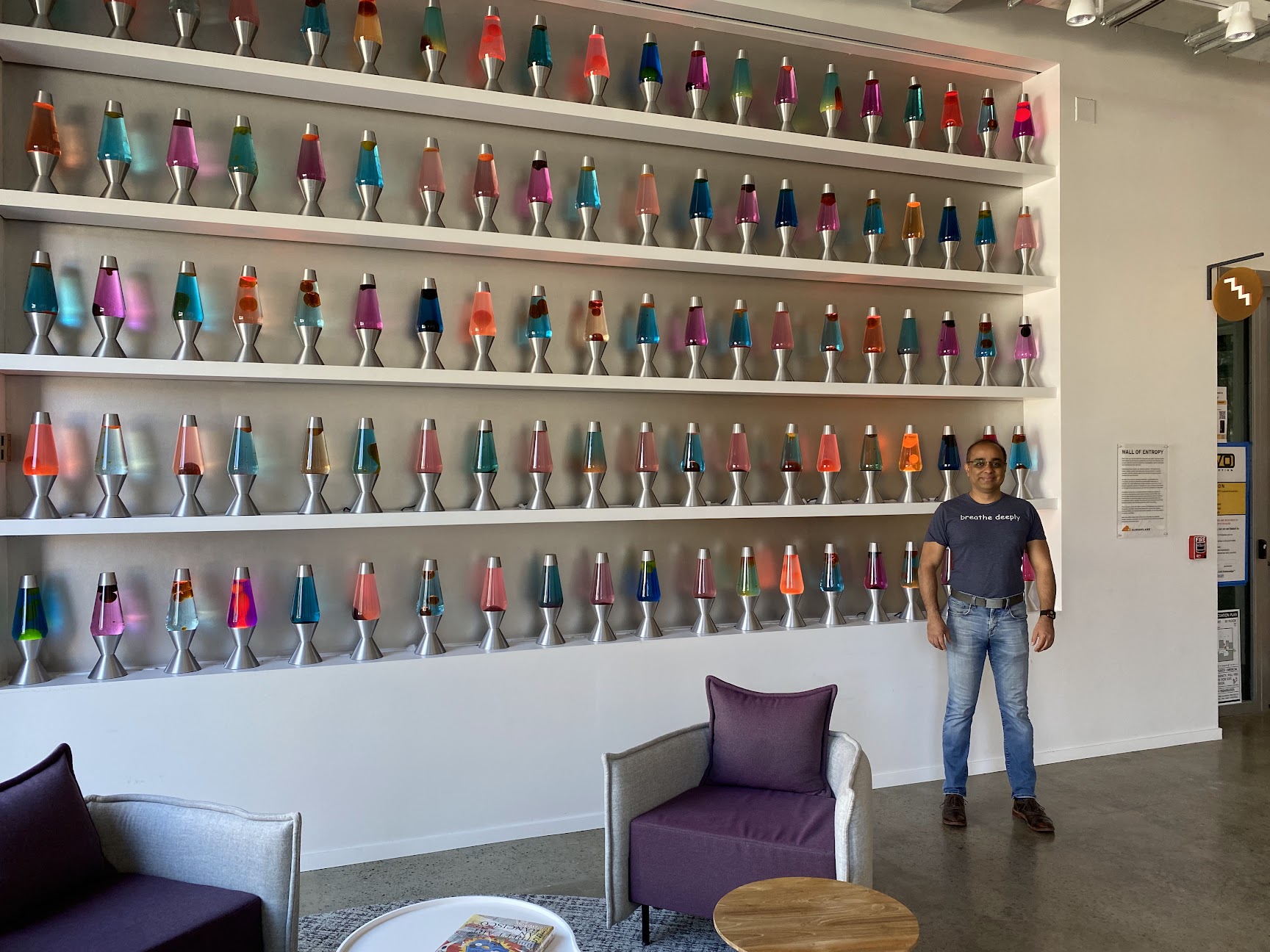
The New Pre-Nuclear Steel: Why Pre-AI Content Could Become Media’s Most Valuable Asset
Pre-AI content may become media's most valuable asset, like pre-nuclear low-background steel. Strategic imperatives for publishers in the generative AI era.

The Path to Superintelligent AI: Key Insights from Tim Urban’s Groundbreaking Analysis
Key insights from Tim Urban's Wait But Why analysis of AI superintelligence, covering the path from narrow AI to AGI to ASI and what it means for humanity.
Just the Good Stuff: No-BS Secrets to Success (No Matter What Life Throws at You)” by Jim VandeHei (Book Review)
A critical review of Jim VandeHei's leadership book through the lens of evidence-based management, comparing it to Jeffrey Pfeffer's standards.

The Frontier of AI: Reflections on my friend Richard Socher's Vision — The Man Who Invented Prompt Engineering on AI, AGI & Humanoids
Richard Socher discusses AI benchmarks, AGI, open-source models, agentic AI, and humanoid robots with Peter Diamandis and Salim Ismail.
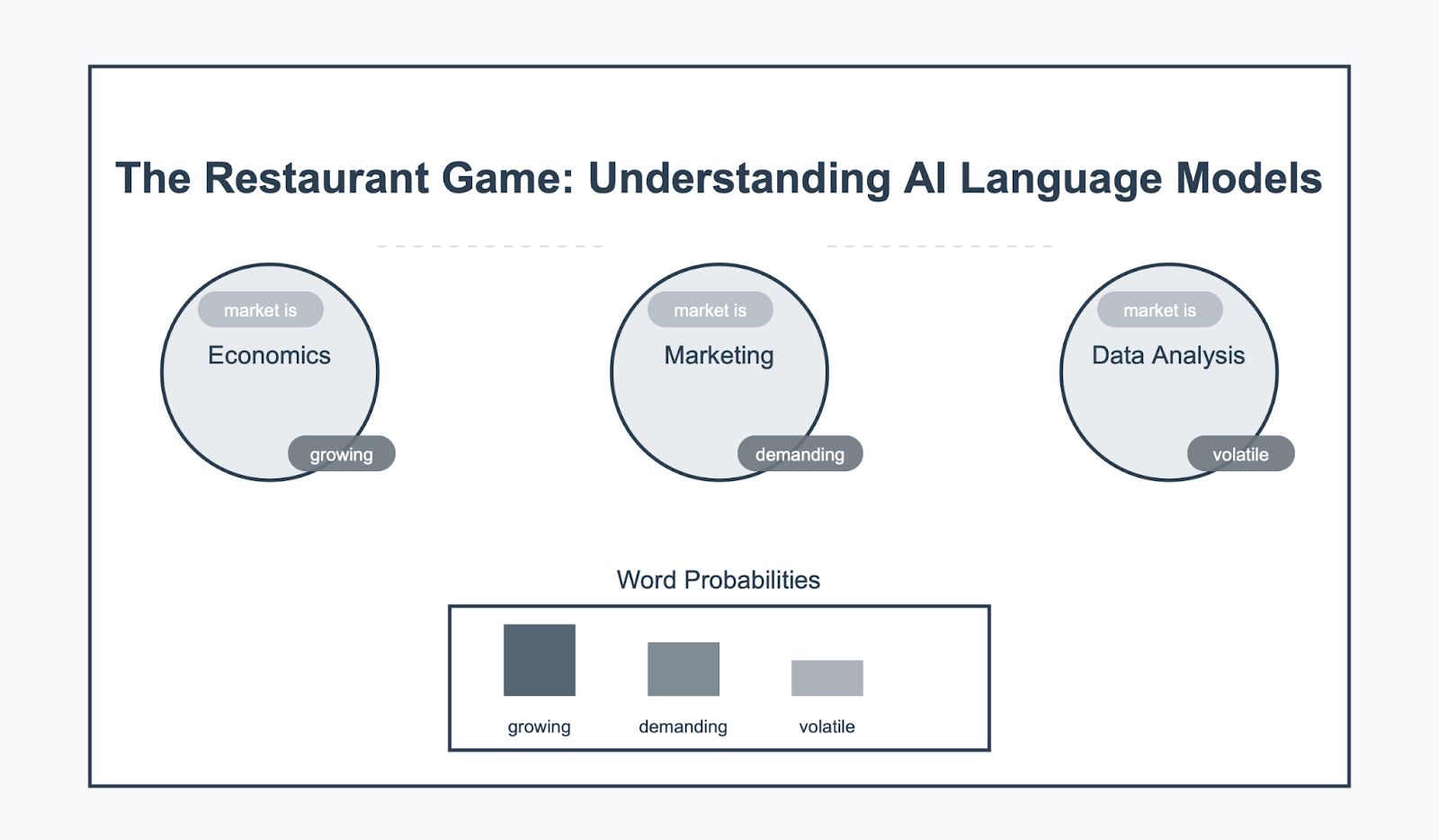
The Culinary Code of AI: Understanding Language Models
A restaurant analogy explains how large language models predict words, covering mixture of experts and what business leaders need to know about AI.

The Evolution of AI Reasoning: A Follow-up Analysis: OpenAI o1 vs. DeepSeek’s DeepThink R1
Comparing OpenAI o1 and DeepSeek R1 reasoning models reveals two distinct AI problem-solving approaches: mathematical elegance versus systematic analysis.

Speaking Through AI: The Next Evolution of Human Communication
AI is becoming the universal mediator of human communication, reshaping trust, democracy, and authenticity as it moves beyond software interfaces.

Beyond Human Intelligence: Reflections on Consciousness, AI, and the Nature of Mind
Philosophical reflections on consciousness, AI, and the nature of mind -- exploring whether we need new frameworks for understanding non-human forms of intellig
Recommendation from Bryan McCann, co-founder & CTO of You.com
Bryan McCann, co-founder and CTO of You.com, credits Rajiv Pant as his mentor from day one, guiding team structure, strategy, and B2B pivots that fueled growth.

How to Do a Serious Workout on a 19-Hour Flight Without Getting Arrested
How to maintain a serious workout routine on a 19-hour flight with seated exercises, resistance bands, aisle squats, and creative adaptations for economy class.
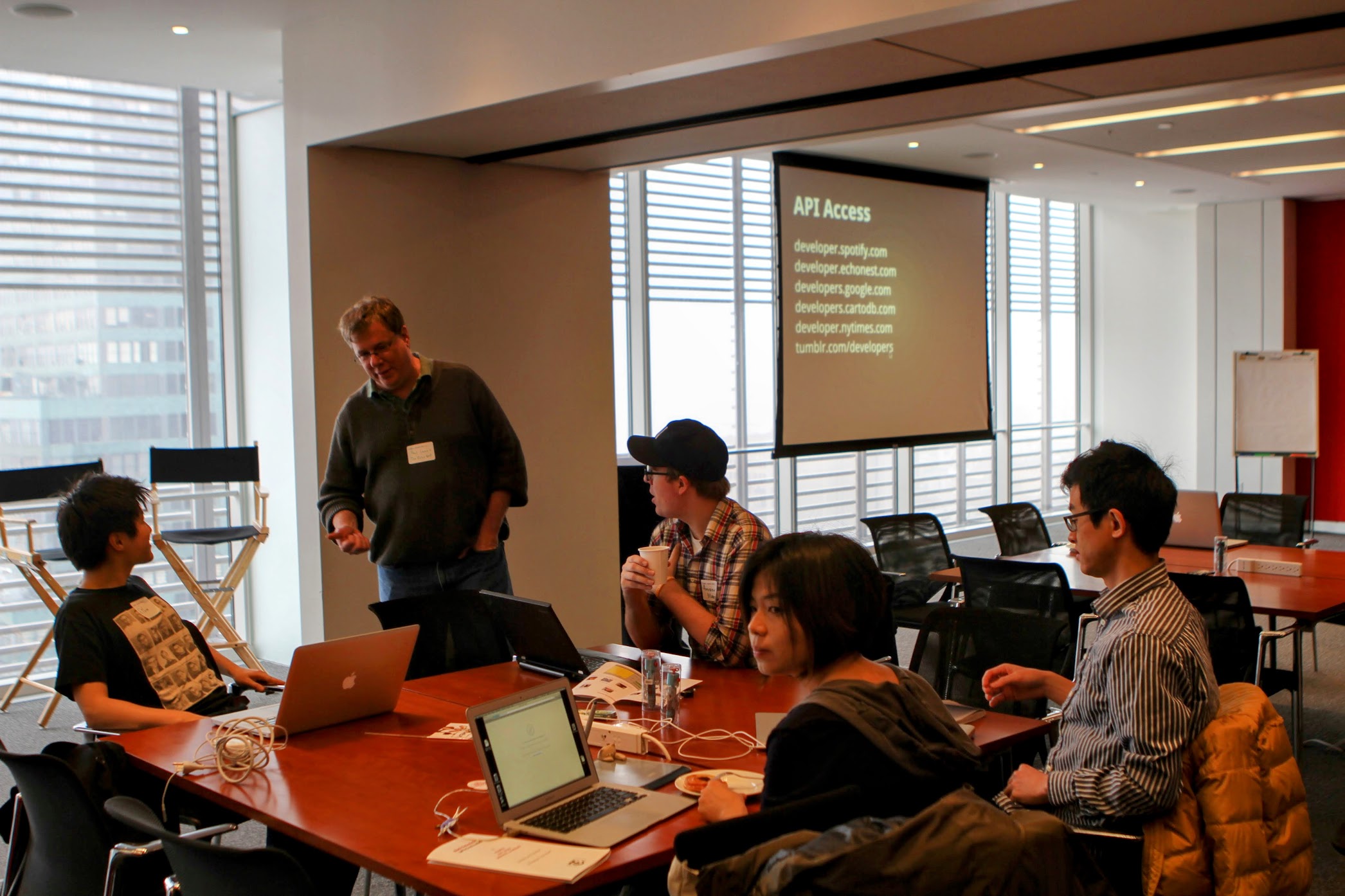
The Future of Software: From API to AI as the Communication Interface
A prediction that AI-driven natural language interfaces will gradually replace traditional APIs as the primary communication method between software systems and
The Tech Coup: A Crucial Wake-Up Call for the Digital Age
A review of The Tech Coup by Marietje Schaake, examining how tech companies undermine democracy and what governments and citizens must do to reclaim digital sov

Three AI Language Models, Three Contradictory Answers. Who Got it Correct and Why?
Comparing GPT-4o, Claude 3.5, and Gemini Pro on the same math puzzle reveals how three AI models use fundamentally different reasoning approaches with different
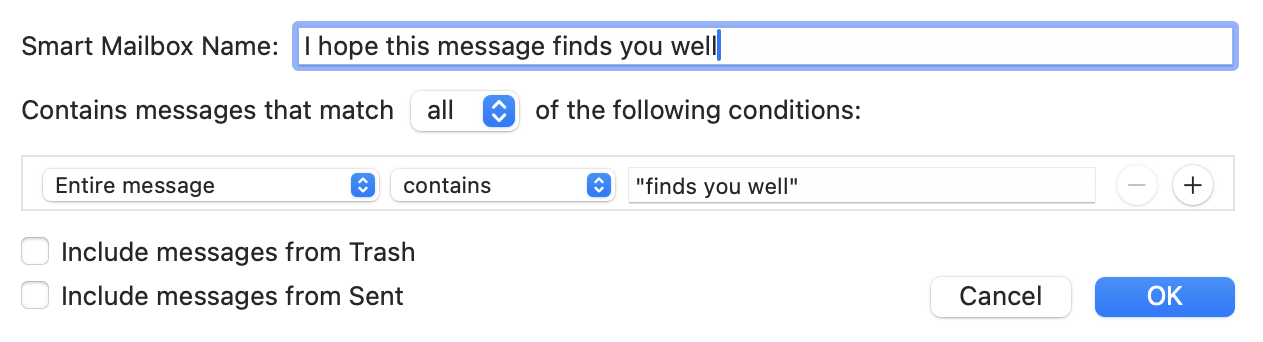
How to Recognize an Email Written by an AI Language Model (August 2024)
Twelve telltale signs that an email was written by an AI language model, from generic openings and excessive formality to perfect grammar and formulaic conclusi

Why I Stopped Chasing ‘High Risk, High Reward’ and You Should Too
Why rewarding risk-taking over value creation is dangerous, and how leaders can shift to prioritizing innovation, skill, and sustainable business practices.

Travel Checklist for Personal & Business Trips (2024 Edition)
A comprehensive travel packing checklist covering fitness gear, technology, documents, attire by climate, and pre/post-trip preparations for business and person

The Power of Being Present: Why Working 24/7 Reduces Your Productivity & Innovation
Why constant connectivity kills productivity and innovation, with research-backed strategies for mindfulness, boundary-setting, and being fully present at work

ScalePost.AI Emerges as Key Player in AI-Publisher Partnerships
ScalePost.AI streamlines partnerships between AI companies and publishers, with advisors including Peter Norvig, Adam Cheyer, and former media technology leader
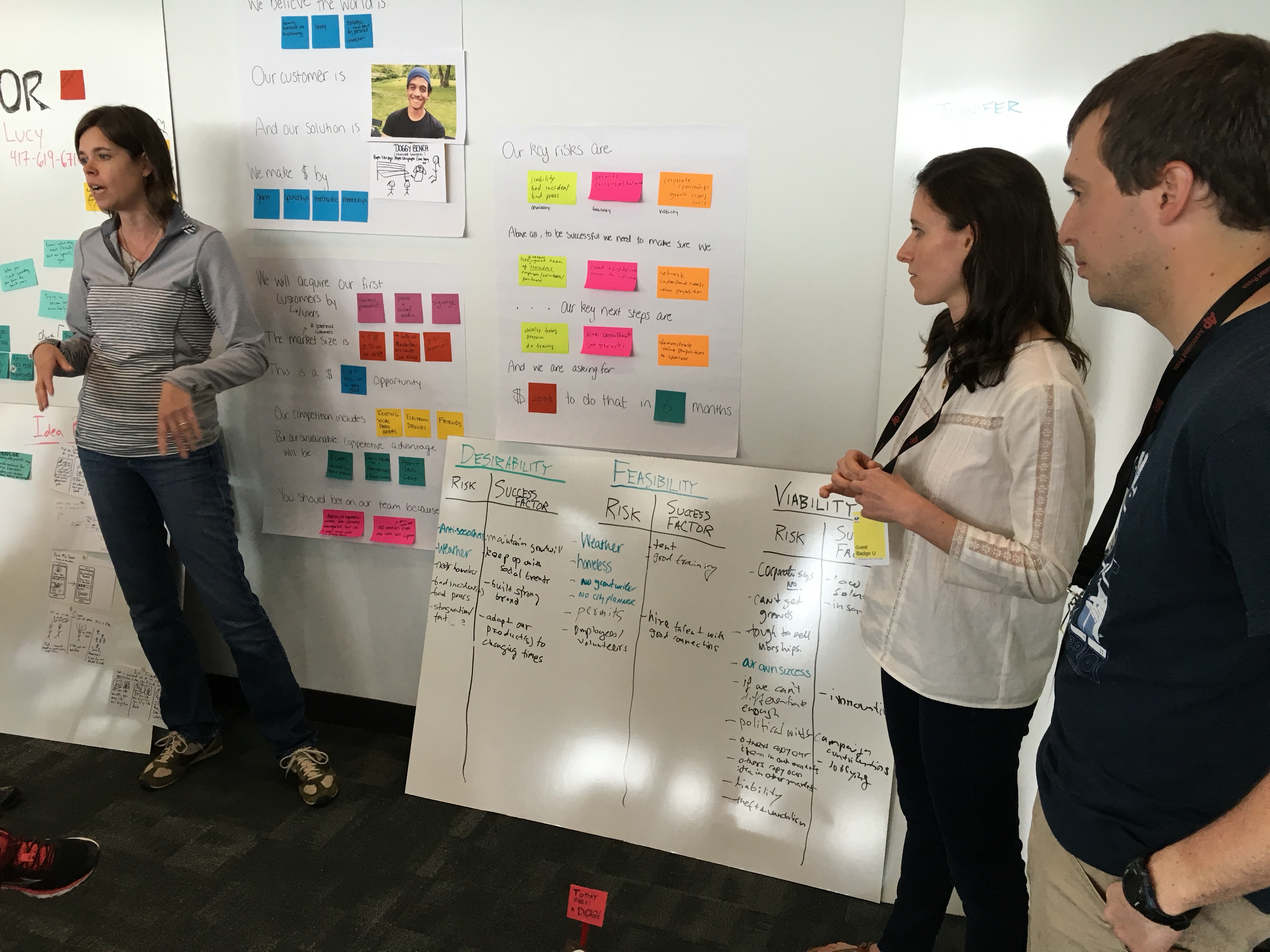
Facilitating Team Communication by AI Prompting Humans! Introducing Daily Team Sync
Introducing Daily Team Sync, an open-source AI tool that generates personalized standup prompts for Slack to facilitate team communication without replacing hum
Prompt Engineering to Generate Code to Solve a Math Problem
My 12-year-old solved a math puzzle faster than I could. So I wrote a prompt to have GPT-4 generate Python code to solve it. The prompt, the algorithm selection

Beyond Outcomes: Why Great Leaders Prioritize Inputs
Great leaders prioritize inputs over outcomes: how Bhagavad Gita wisdom, Stoic philosophy, and case studies from Pixar and Patagonia support input-focused leade
Every Year, Restart in Your Current Job
The practice of approaching your current role as if you were just hired: listening tours, relationship building, fresh eyes on old problems.
The Evolution of the 50/25 Meeting Format: Why Starting Late is the New On-Time
An updated take on the 50/25 meeting format: why starting meetings 5-10 minutes late creates buffer time that improves focus, reduces stress, and boosts product

A Conversation with Daniel Kahneman
What I learned from an hours-long conversation with Daniel Kahneman about the human brain, intuition, emotional intelligence, chess, and artificial intelligence

A Reflection on Accomplishments and Aspirations
A personal reflection on balancing accomplishments with aspirations, sparked by a school vice-principal's prophetic parting message: 'The era awaits you.'
An Executive’s Daily Routine for Productivity and Balance (Summer 2023)
A CPTO’s daily routine from 5am workouts to structured deep work and evening wind-down, designed to maximize executive productivity while maintaining balance.

The Evolution of Generative AI Platforms: How Large Language Models will Disrupt Business and Society
How LLM platforms like ChatGPT will evolve into app ecosystems similar to iOS and Android, disrupting business models while creating new AI-powered opportunitie

Understanding the Role of Product in Media Companies and Tech Companies
How product team roles differ between tech and media companies, covering stakeholder dynamics, empowered teams vs project management, and four product categorie
Yale CEO Summit June 2023: The Intersection of AI and Leadership
Key themes from the 2023 Yale CEO Summit on AI: regulation challenges, transparency, job displacement, and why AI should augment human judgment, not replace it.

From Vision & Concept in 2017 to Reality in 2023: The Evolution of AI in Journalism
From concept in 2017 to working proof-of-concept in 2023: how AI-powered personalized storytelling creates tailored news stories for different reader personas.

The Poetic Power Play: A Lesson from Indian Poetry and Professor Jeff Pfeffer
Lessons on power dynamics from Dinkar's Hindi poetry and Stanford Professor Jeff Pfeffer's work: why virtues like forgiveness require strength to be respected.

On this Father’s Day, may your life be as marvelous as your social media presence
A Father's Day reflection on the gap between social media personas and reality, the imposter syndrome, and why being a devoted dad matters more than any career

Why Vector Databases & Embeddings Used for Prompt Context are Limited for Personalized AI Assistants
Why vector databases and embeddings fall short for personalized AI assistants, and how fine-tuning large language models offers deeper contextual understanding.

Reinventing How We Will Consume Information: LLM-Powered Agents as Superhuman Guides with Immense Knowledge and Teachers with Infinite Patience
How LLM-powered AI agents will revolutionize information consumption by turning passive documents into interactive, personalized learning experiences across tex

Roles and Responsibilities for Digital Product Development Teams
A comprehensive guide to roles and responsibilities across product management, engineering, design, and operations teams in digital product development organiza

Introduction to Generative AI and Large Language Models for Media Business People
An introduction to generative AI and large language models for business leaders, covering what LLMs are, how they work, and their transformative business potent

Power, for All by Julie Battilana and Tiziana Casciaro (Book Review)
A review of Power, for All by Battilana and Casciaro, exploring ethical power dynamics, democratized leadership, and how power can create positive-sum outcomes.

The Neural Network Revolution: Why AI Will Make Traditional Databases Obsolete
AI neural networks will make traditional databases obsolete by offering superior handling of unstructured data, continuous learning, and scalability over relati
Project Estimation with T-Shirt Sizing & Evidence Based Scheduling Models for Scrum Teams
Introduction "How long will this project take?" and "How much will it cost?" — two questions that can strike fear into the hearts of even the most se...

The Many Hats of Product Managers: Their Indispensable Hands-On Roles as Individual Contributors
Product managers wear many hats as individual contributors across 21 hands-on responsibilities from user research to product launches and roadmap management.

What I am learning from working out daily for 1,001+ consecutive days
Lessons from 1,001 consecutive days of daily exercise on consistency, discipline, variety, mental health, sleep quality, and building sustainable fitness habits

Trailblazer: The Power of Business as the Greatest Platform for Change by Marc Benioff (Book Review)
A review of Trailblazer by Marc Benioff, exploring how Salesforce uses business as a platform for societal change through values-driven leadership.

Tips for Visiting Walt Disney World Orlando with Children
Practical tips for visiting Walt Disney World with children, from ride seating preferences and packing lists to safety plans and saving money.

Take Back Your Power by Deb Liu (Book Review)
A review of Take Back Your Power by Deb Liu, offering evidence-based leadership strategies for women and underrepresented groups in the workplace.

You Are What You Risk by Michele Wucker (Book Review)
A review of You Are What You Risk by Michele Wucker, exploring risk perception, risk empathy, and how our experiences shape our approach to uncertainty.
A CEO's Guide to Working with CTOs and CPOs
What non-technical CEOs should expect from their technology and product leaders, how to evaluate them, and what they need from you to succeed.

Cloudflare TV: The CTO Show
Rajiv Pant's interview on Cloudflare TV's The CTO Show with Cloudflare CTO John Graham-Cumming about the CTO role across different companies.

My new job at Hearst
Rajiv Pant joins Hearst as General Manager of Technology Platforms and Chief Technology and Product Officer of Hearst Magazines and CDS Global.

you.com: A Game-Changing AI-powered Search Engine
Rajiv shares his involvement as advisor and investor in you.com, an AI-powered search engine using natural language processing and generation.
The Room Where the Story Was Told
A leadership fable about what happens when a capable executive assumes results speak for themselves, and discovers that someone else has been narrating his orga
My Personal and Professional Values: Keys to Collaborative Success
Five core values that guide collaborative success: winning people over, shared purpose, teamwork, collective ownership, and finding goodness everywhere.
The World Economic Forum Seven Years Later
Seven years after being inducted as a Young Global Leader, the letter I would have benefited from in 2014: how to engage with the WEF community, what the sessio
Louise Story, CEO, President, Publisher & Board Member, Atlas Obscura
Louise Story, CEO of Atlas Obscura and former Chief News Strategist at the NYT and WSJ, says Rajiv Pant is respected and adored by all who know him.

Why I Recommend Using Spike for Email, Instant Messaging, and Video Chat (Review)
A review of Spike, the email app that combines email, instant messaging, video chat, and calendar into one streamlined interface.

Humor, Seriously by Jennifer Aaker and Naomi Bagdonas (Book Review)
A review of Humor, Seriously by Jennifer Aaker and Naomi Bagdonas, exploring how humor serves as a leadership skill and workplace strategy.

Cloudflare TV: Builders and Innovators: Interview
Rajiv Pant's interview on Cloudflare TV's Builders and Innovators segment with Cloudflare's President of Field Operations Chris Merritt.
MatheMagic Card Trick
MatheMagic Card Trick is a JavaScript project that generates math-based magic trick cards, co-authored by Rajiv and his son Fitz.
Starting the New Year with Service: Another Day Volunteering with New York Cares
Starting the new year with a New York Cares volunteer project, unloading food deliveries for the West Side Campaign Against Hunger.
Lifting More Than Just Weights: Another Day Volunteering with New York Cares
Volunteering with New York Cares to pack food bags for the West Side Campaign Against Hunger, combining daily fitness with community service.
A Rewarding Evening Volunteering with New York Cares
Volunteering with New York Cares to deliver food from Breads Bakery to a homeless shelter during the pandemic, and why giving back matters.
Be Curious, Not Judgmental
Why replacing premature judgment with curiosity is one of the most underrated leadership practices, drawing on a Stanford talk by Jeffrey Pfeffer.
Choosing the Right Boss
A leadership fable about how the relationship with your direct manager determines your career more than the company, the title, or the compensation.
From Operating Executive to Advisor: What I Learned at McKinsey
What working as a Senior Advisor at McKinsey & Company in the pandemic year taught me about influence without authority, the craft of an engagement, and the mus
The Fable of the Illusory Truth
A leadership fable about how repeated narratives become accepted truths in organizations, and how one leader fought back with data, discipline, and a better sto
William Lewis, Former CEO of Dow Jones & Publisher of The Wall Street Journal
William Lewis, CEO of Dow Jones and Publisher of the WSJ, calls Rajiv Pant an inspirational and transformative digital leader with deeply ethical leadership.

Make Exercise Your Daily Habit
A comprehensive guide to building a daily exercise habit using behavioral science, kettlebell training, and practical tips from a tech executive's fitness journ

Matthew Murray, Editor in Chief of The Wall Street Journal
Matthew Murray, Editor in Chief of The Wall Street Journal, calls Rajiv Pant a transformational leader who rebuilt the WSJ's entire technology department.

Kindness of Strangers: This Time From a Fitness Expert
A well-respected fitness expert saw my kettlebell videos on Instagram and sent me a custom video with detailed technique corrections. She would not accept anyth
Louis Cho, Co-Founder & Managing Partner, Elevate FI
Louis Cho, analytics consultant at the WSJ, calls Rajiv Pant one of the most inspirational leaders he has worked for, praising his inclusive team culture.
Vijit Sharma, Director, TD Securities
Vijit Sharma, Director at TD Securities, calls Rajiv Pant a culture-driven leader who treats everyone as equals and builds organizations where people thrive.
Madhu Balaji, Sr WW Agentic AI Specialist SA, Amazon Web Services
Madhu Balaji, Sr Specialist SA at Amazon Web Services, praises Rajiv Pant as a visionary leader with immaculate work ethic who connects with people authenticall

Personal Fitness During Quarantine Times
Rajiv shares his personal fitness journey during the 2020 quarantine at a World Economic Forum Young Global Leaders live-streamed event.
Jessica Lippman, Senior Director, Product Management, BBC Studios
Jessica Lippman, Product Manager at News Corp, praises Rajiv Pant as a fantastic manager who synthesizes big-picture goals and sets clear OKRs for the team.
Matt Stowe, Senior Director of Engineering, Instructure
Matt Stowe, who worked with Rajiv Pant at three organizations, calls him a servant-leader with high emotional intelligence who brings out the best in everyone.
Jennie Baird, Board Member, The Ethical Tech Project
Jennie Baird, SVP and Global Head of Product at News Corp, praises Rajiv Pant as a smart, well-loved colleague with genuine curiosity and generous leadership.

Reflecting on Compliments in a Multicultural World
A reflection on the unconscious biases behind complimenting someone's English, exploring cultural assumptions and language identity in a multicultural world.
Kathryn Friedrich, EVP, GM of Operations at Conde Nast Entertainment
Kathryn Friedrich, former CMO at Thrive Global and EVP at Conde Nast Entertainment, praises Rajiv Pant's leadership through startup ambiguity and uncertainty.
Jason Patterson, Software Engineer at Instagram at Facebook
Jason Patterson, Distinguished Engineer at the WSJ, credits Rajiv Pant's OKR-driven leadership and team growth for winning a Webby Award for best news app.
Katharine Bailey, SVP, Product at The Wall Street Journal
Katharine Bailey, SVP of Product at the WSJ, nearly left for another job but stayed after meeting Rajiv Pant, calling him unlike any other leader she has worked
Jordan Sudy, VP, Goldman Sachs
Jordan Sudy, VP at Goldman Sachs, credits Rajiv Pant as a source of good whose leadership at the NYT and WSJ enabled award-winning career-making products.
Roben Kleene, Former iOS Engineering Manager at The Wall Street Journal and Dow Jones
Roben Kleene, iOS Engineering Manager at the WSJ, praises Rajiv Pant's rare leadership gift of connecting with teams and providing the right balance of support.
Che Douglas, VP of Design at Booking.com
Che Douglas, SVP of Design at the WSJ, credits Rajiv Pant for building the first fused Product, Design, and Engineering department and winning a Webby Award.
Andy Nichol, Deputy CTO, Dow Jones and Company
Andy Nichol, Deputy CTO of Dow Jones, credits Rajiv Pant for driving a collaborative transformation at the WSJ that improved product stability and subscription
Importance of Mentorship Article by Yujin Kim, CTO of WorkMarket
Yujin Kim, CTO of WorkMarket, wrote about the importance of mentorship and the role Rajiv Pant played as a mentor during their years working together.
How Stakeholders and PDE Should Work Together
The relationship between business stakeholders and product teams is broken at most companies. Here is a framework for how it should actually work.

The Creator’s Code by Amy Wilkinson (book review)
A review of Amy Wilkinson's The Creator's Code, examining six essential entrepreneurial skills from gap-finding to generosity in building successful ventures.
My Personal Fitness Objectives and Key Results
Rajiv Pant shares how he applies the Objectives and Key Results framework to personal fitness goals, with his OKR document and workout tracking system.

My New Job at News Corp (Parent Company of The Wall Street Journal)
Rajiv Pant's promotion from Wall Street Journal CTO to Deputy Chief Technology Officer at News Corp, with announcements from WSJ and Dow Jones leadership.

Harvard NiemanLab article: Acing the Algorithmic Beat, Journalism’s Next Frontier
Rajiv Pant co-authored a Harvard NiemanLab article on how The Wall Street Journal approaches algorithmic journalism and covering the impact of algorithms on soc

Activities, Outputs, and Outcomes — A framework for your job
A framework for distinguishing activities, outputs, and outcomes in your work, replacing static job descriptions with a living system for creating real value.
How news organizations combat fake news generated and spread using artificial intelligence
How AI augmented with human intelligence can combat deepfakes, as featured in a Harvard NiemanLab article on The Wall Street Journal's detection efforts.
An Example of Respectfully Declining a Meeting at Work That is Already in Your Calendar
A practical example and template for respectfully declining a workplace meeting you previously accepted, with guidance on time prioritization.
Talk at Applause: Fighting Fake News with AI and Crowdsourcing at The Wall Street Journal
Rajiv Pant's Applause conference talk on deepfakes, covering AI-generated synthetic media threats, GAN technology, and detection strategies using AI and crowdso
OKRs in Media Companies
OKRs work differently in media than in pure tech companies. The editorial side creates unique challenges. Here is what I learned implementing them at the Wall S

The Role of a CPTO
What a Chief Product and Technology Officer does, why the role exists, and why engineering, product, and design should be separate disciplines under one leader.

Less, More, Deeply — Simplifying Life
A collection of reflections on simplifying life, doing fewer things more deeply, and the philosophy of minimalism in work and personal life.
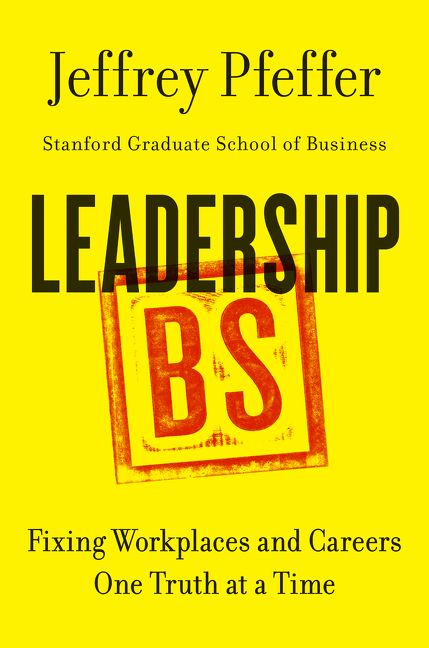
The Leadership Fairy Tale Problem: Why Most Leadership Advice Will Sabotage Your Career
A review of Stanford professor Jeffrey Pfeffer's Leadership BS, examining five systemic flaws in mainstream leadership advice and why evidence-based approaches
IT Culture vs. Product Culture
Most media and publishing companies think they have a product culture. They have an IT culture with product titles. Here is how to tell the difference.
The Future of Journalism: How AI Can Assist Journalists and Create Compelling Storytelling Experiences
How AI can empower journalists to create personalized storytelling experiences with tailored headlines, images, and modular content for different reader persona
Management & Technical Career Growth Tracks (v3)
Version 3 of the management and technical career growth tracks framework, covering engineering, product, design, data, and project management levels.

How do you launch a suite of Mobile, Web, and Voice products from ideation to go live in 12 weeks?
How the Thrive Global team launched mobile, web, and voice products from ideation to go-live in 12 weeks with product development partner Very.
My next chapter
Rajiv Pant announces his move from Thrive Global to The Wall Street Journal as its first Chief Product and Technology Officer.

Why I Joined Thrive Global
Rajiv Pant explains his path from The New York Times CTO to joining Thrive Global as CTO, drawn by Arianna Huffington's science-based well-being mission.

Reflections on the Yale CEO Summit 2016: Disruption and Leadership in Focus
Reflections on the 2016 Yale CEO Summit, where leaders discussed disruption and leadership, and honored CEOs Terry Lundgren of Macy's and John Legere of T-Mobil
Luke Vnenchak, VP of Engineering at BuzzFeed
Luke Vnenchak, Executive Director of Technology at the NYT, praises Rajiv Pant's ability to mentor and coach people at all levels while developing their careers
Fastly’s Altitude Summit
Rajiv Pant spoke at Fastly's Altitude 2016 Summit about a CTO's role in building stakeholder buy-in for infrastructure engineering projects.
Denise Warren, Executive Vice President, The New York Times
Denise Warren, EVP at the NYT and CEO at Tribune Publishing, calls Rajiv Pant a highly sought-after CTO whose colleagues follow him from job to job.

How to be an effective CTO
How to be effective as a CTO by mastering culture, technology, and operations, with five lessons on building stakeholder relationships and organizational influe
Malu Menezes, Executive Director of Technology, The New York Times
Malu Menezes, Executive Director of Technology at the NYT, credits Rajiv Pant for modernizing the Times' technology organization faster than she thought possibl
Joe Adamo, VP, Digital Technology at Tribune Publishing Company
Joe Adamo, VP of Digital Technology at Tribune Publishing, praises Rajiv Pant as an inspiring leader who quickly resolves complex technical and organizational i
Megan Garvey, Deputy Managing Editor at Los Angeles Times
Megan Garvey, Deputy Managing Editor at the Los Angeles Times, praises Rajiv Pant for cutting through years of delayed requests and supporting newsroom ideas.
Paul Smurl, COO & President at Some Spider LLC
Paul Smurl, COO of Some Spider and former Head of Product at the NYT, recruited Rajiv Pant as CTO after five years together, calling him beloved by his teams.
Joe Simon, Chief Operating Officer at Encompass Digital Media, Inc.
Joe Simon, former CTO of Conde Nast, praises Rajiv Pant's deep technical expertise, team-building ability, and hands-on approach that remained as he progressed.

90 Day Plan for a CTO in a New Job
A seven-part framework for CTOs starting a new job, covering organizational assessment, metrics, vision, team building, culture, processes, and technology.
Rajit Gulati, Vice President, Enterprise Products Engineering at BlackBerry
Rajit Gulati, VP at BlackBerry, praises Rajiv Pant for giving teams all the credit, advancing individual careers, and providing calm under pressure at COXnet.
Robert A. Sauerberg Jr., President & Chief Executive Officer, Conde Nast
Bob Sauerberg, President and CEO of Conde Nast, calls Rajiv Pant a visionary tech leader, team player, and great communicator -- the full package.
Mark Thompson, President & Chief Executive Officer, The New York Times Company
Mark Thompson, President and CEO of The New York Times Company, calls Rajiv Pant a strong digital executive, talent magnet, and empathetic creative collaborator
Matthew Bischoff, Mobile Product and Engineering Lead
Matthew Bischoff, Senior iOS Engineer at the NYT, calls Rajiv Pant one of the few people he would trust to run his engineering organization.
Leon Shklar, Managing Director at BNY Mellon
Leon Shklar, VP of Technology at the NYT, credits Rajiv Pant for transforming the tech organization, attracting talent, and being a recognized force for good.

Hackathon: Impact Journalism in New York
Rajiv served as a jury member at the Global Editors Network hackathon on impact journalism, exploring innovative ways to connect audiences with issues.
Robert Larson, Core News Product Manager at Bloomberg
Robert Larson, VP of Search Products at the NYT, credits Rajiv Pant's leadership for making the Times a more innovative and attractive workplace for engineers.

My Interview in TheMarker Magazine
Rajiv Pant's interview in TheMarker Magazine covering the future of digital journalism, evolving editor roles, and media technology transformation in Israel.

Information for Technologists Interested in Learning about Artificial Intelligence
A curated collection of AI learning resources for technologists, covering machine learning, deep learning, neural networks, open source toolkits, and tutorials.
Womensphere Summit 2016
At the Womensphere Summit 2016 in New York City, Rajiv spoke on Supporting and Championing Women in Tech Leadership. (March 6, 2016)

Kindness is Powerful
A stranger's generosity on a rainy Manhattan night reminded me that the smallest acts of kindness carry the most weight.
Esfand Pourmand, Program Director, The New York Times
Esfand Pourmand, Program Director at The New York Times, praises Rajiv Pant as more than a typical CTO, with deep agile knowledge and a hands-on approach.
Joy Goldberg, Director, Portfolio Management at The New York Times
Joy Goldberg, Director of Portfolio Management at the NYT, calls Rajiv Pant unique -- a cultural ambassador who invests in people regardless of hierarchy.
Erin Grau, Program Director, Web Products, The New York Times
Erin Grau, Program Director at The New York Times, praises Rajiv Pant for building an engineering culture where developers thrive, motivated and respected.
Womensphere Summit 2014 – NYC
Rajiv Pant spoke on women in tech leadership at the 2014 Womensphere Summit in New York City, alongside Womensphere CEO Analisa Balares.
Rohn Jay Miller, Senior Vice President of Product and Technology at Knight Ridder Digital
Rohn Jay Miller, SVP of Product and Technology at Knight Ridder Digital, credits Rajiv Pant's leadership for a $20M platform serving 34 newspapers and 29 portal
Atif Azam, Product Designer, at MongoDB
Atif Azam, Product Designer at Some Spider, praises Rajiv Pant as a leader who empowers teams to do their best work with composure and clear decision-making.
Morgante Pell, Technical Entrepreneur
Morgante Pell, VP of Product Development at Some Spider, praises Rajiv Pant's graceful transition from NYT CTO to hands-on startup contributor with no ego.

Arthur O. Sulzberger, Jr. Chairman & Publisher, The New York Times
Arthur O. Sulzberger Jr., Chairman and Publisher of The New York Times, thanks Rajiv Pant for his insight, talent recruitment, and collaborative spirit.
Leon Levitt, Vice President of Strategy, Cox Media Group
Leon Levitt, VP of Strategy at Cox Media Group, praises Rajiv Pant for building cohesive IT solutions across many stakeholders with strategic intelligence.
Brian Murphy, VP of Engineering at The New York Times
Brian Murphy, VP of Engineering at the NYT, followed Rajiv Pant between companies, praising his culture of collaboration and unparalleled kindness to coworkers.
Brad Kagawa, Vice President of Technology, Content Management Systems at The New York Times
Brad Kagawa, VP of Technology at the NYT, calls Rajiv Pant a different kind of CTO who builds engineering culture and elevates technology across the company.
Greg Felice, Director of EIT Strategy and Business Agility at Cablevision
Greg Felice, Director of Technology at the NYT, calls Rajiv Pant the rare leader who changed his mindset and raised his game to the next level through mentorshi
Ross Settles, Vice President of Marketing, Knight Ridder Digital
Ross Settles, VP of Marketing at Knight Ridder Digital, calls Rajiv Pant an invaluable strategic partner and forward-thinking technology leader at a critical ti
Chris Ladd, Senior Software Engineer at The New York Times
Chris Ladd, Senior Software Engineer at The New York Times, calls Rajiv Pant an executive who genuinely wants engineers to succeed in their own careers.
Bobby Chowdhury, Senior Director of Technology, Conde Nast
Bobby Chowdhury, Senior Director of Technology at Conde Nast, praises Rajiv Pant as an avid technologist, people leader, mentor, and trusted good friend.

Why I left being CTO of The New York Times, joined a startup, and am pledging 20% of my equity to charity
Rajiv Pant explains leaving his CTO role at The New York Times to join startup Some Spider and pledging 20% of his equity to Doctors Without Borders.

A career is like a garden (farewell memo to nytimes colleagues)
Rajiv Pant's farewell memo to colleagues at The New York Times, reflecting on four years as CTO and the transition to a startup.
Al Ming, Senior Director of Product Architecture at The New York Times
Al Ming, Senior Director of Product Architecture at the NYT, praises Rajiv Pant's commitment to engineering culture and genuine investment in his engineers.
7 minus 1 reasons why technology/engineering teams should work on projects
Six valid reasons to justify engineering projects -- product, speed, quality, cost, security, and survival -- plus one anti-pattern to avoid.

Why Data Breaches Don’t Hurt Stock Prices (Harvard Business Review)
Rajiv Pant and Elena Kvochko co-authored a Harvard Business Review article examining why data breaches have minimal long-term impact on stock prices.
Womensphere Summit 2015
At the 2015 Womensphere Summit in New York City – Rajiv spoke on Advancing Women's Leadership & Innovation. (February 25th, 2015)
Brent Baisley, Technology Manager, Conde Nast
Brent Baisley, Technology Manager at Conde Nast, calls Rajiv Pant one of the best leaders of his kind -- knowledgeable, ambitious, effective, and approachable.

CTO Mind Map: Culture, Technology, Operations
A visual mind map organizing the CTO role into three domains -- culture, technology, and operations -- to help technology leaders prioritize and identify gaps.

Cyber Resilience Towards the Quantification of Cyber Security Threats
The World Economic Forum developed a cyber value-at-risk framework to help organizations quantify cybersecurity threats and calculate their potential impact.

Reflecting on the Yale CEO Summit 2014: A Confluence of Global Leadership and Local Sensitivities
Reflections from the 2014 Yale CEO Summit on enterprise reinvention, digital transformation, and leading globally while respecting local sensitivities.
9 Reasons Why News Media Web Sites Should Consider Moving to HTTPS in 2015
Nine reasons why news media websites should adopt HTTPS, co-authored with cybersecurity experts and published on The New York Times Open Blog.
Why investors should care about cyber security breaches
Why investors should care about cybersecurity breaches, co-authored with Elena Kvochko and published on the World Economic Forum website.

Dear Makers, On Fridays My Office is Yours — An Experiment
A CTO's experiment sharing his private office with software engineers on Fridays to support maker's schedule productivity and workplace culture.
Smithsonian Digitization Fair – Keynote Speaker
As keynote speaker, Rajiv opened this conference with a talk about digital strategy and innovation at the NYT. (October 29, 2014)
IESE Business School Executive Education Course
Rajiv Pant spoke on leadership, management, and organizational dynamics in technology at IESE Business School's Executive Education program in October 2014.
A Technologist at Summer Davos: Notes From the WEF Annual Meeting of the New Champions
Notes from the World Economic Forum's Annual Meeting of the New Champions in Tianjin, the YGL community, and what a CTO actually gets out of a gathering like th
AppSec USA: Security & Journalism Panel
Rajiv Pant spoke at AppSec USA 2014 on how cybersecurity issues affect newsrooms and best practices for protecting journalism infrastructure.
World Economic Forum Annual Meeting of the New Champions 2014
Rajiv Pant spoke at the 2014 World Economic Forum Summer Davos in Tianjin on reinventing media, cyber resilience, and cognitive science in leadership.
Tony Landa, Associate Director of Technology, The Studio at Conde Nast
Tony Landa, Associate Director of Technology at Conde Nast, calls Rajiv Pant one of the most trustworthy people in his career, a valued advisor and manager.
Tanya Steel, Editor-in-Chief of Epicurious and Gourmet.com, Conde Nast
Tanya Steel, Editor-in-Chief of Epicurious at Conde Nast, calls Rajiv Pant a technology visionary who translates established brands into forward-thinking digita

3 Dimensions of a Technology Team
A three-dimensional organizational design for technology teams balancing product-aligned delivery, partner relationships, and profession-based career growth.

3 Roles of a CTO: Culture. Technology. Operations.
A CTO's three-part framework for 1:1 meetings covering culture, technology, and operations, with detailed checklists for each area of review.
Landmark CIO Summit 2014
Rajiv Pant spoke at the Landmark CTO Summit 2014 alongside CTOs from Estee Lauder and Time Inc. on unexpected things CTOs do to succeed.
3-5-7 Meeting Format for Weekly Staff Meetings
The 3-5-7 staff meeting format gives each team member 3-5 minutes to answer 7 structured questions covering work, learnings, issues, and collaboration.
Stanford University’s Graduate School of Business – Guest Speaker on Organizational Behavior
Rajiv Pant spoke on organizational behavior to MBA students at Stanford Graduate School of Business at the invitation of Professor Jeffrey Pfeffer.

Mandela’s Way: Lessons on Life, Love, and Courage (Book Review)
Review of Mandela's Way by Richard Stengel, a journalist's account of real-world leadership lessons from Nelson Mandela grounded in evidence, not fairy tales.
Posted Signs for Productive Meetings
Downloadable slides to post as signs in meeting rooms and offices that promote productive meeting habits, available as PDF and Google Slides.
Template For Requesting an Outcome-Focused Meeting
An outcome-focused meeting request template that transforms meetings from time-consuming rituals into results-producing collaborations, with patterns and exampl
Templates for Replying to Meeting Requests & Polite Ways to Decline Meetings
Templates for replying to meeting requests and politely declining meetings where your participation would not add value, with time management tips.
When to have and when not to schedule meetings
Why companies should avoid scheduling meetings before 10am or after 5pm, and why makers need a four-hour uninterrupted block each day.
50/25 Meeting Format
The 50/25 meeting format shortens hour-long meetings to 50 minutes and half-hour meetings to 25 minutes, giving teams time to recharge between sessions.

Using Laptops or Smartphones in Meetings
Why using your phone under the table is like picking your nose, and what to do about device culture in meetings.
Digital Diversity Network Cloud Gathering Conference
Rajiv Pant spoke on making diversity a mission for all employees at the 2nd Annual DDN Cloud Gathering Conference at The New York Times in October 2013.
What I Learned During the Hacking Attacks of August 28, 2013
Lessons from the 2013 NYT domain hijacking on crisis leadership, human collaboration during emergencies, and technical disaster recovery with backup domains.
SHA-3 Hash Generator
An interactive browser-based SHA-3 cryptographic hash generator supporting 512, 384, 256, and 224-bit output lengths using the Keccak algorithm.
Leadership Requires Loyalty, Kindness, and Ethics
Leadership requires three non-negotiable qualities: loyalty, kindness, and ethics. Without all three, a position of power does not make you a leader.
QCon New York
Rajiv Pant delivered a keynote at QCon New York on technology innovation at The New York Times alongside Marc Frons in June 2013.

Ray Dalio, Randall Munroe and I Think Alike – Culture of Courage & Candor
Why badmouthing colleagues behind their backs is toxic to organizations, and how senior executives can build a culture of courage, candor, and open courts.

Maker’s Schedule (For Managers Too)
How to implement a maker's schedule with meeting-free Friday afternoons for focused coding and creative work, presented as a team policy memo with FAQ.

Three Pillars of a Media/Publishing Company
A framework for understanding three pillars of a media company -- journalism, technology, and business -- and where product management fits among them.
Matt Stowe, Director of Technology, Conde Nast
Matt Stowe, Director of Technology at Conde Nast, calls Rajiv Pant a compassionate leader who embraces new technologies and helps each person grow and achieve.
Columbia University’s Journalism School’s Spring Journalism and Technology Breakfast Event
Rajiv Pant spoke on cybersecurity in the newsroom at Columbia University's Journalism School alongside RSA Security CTO Sam Curry, hosted by the AP.
HR Classification and Discretionary/Business Job Titles for Makers, Managers and Leaders in Technology
A dual job title system for technology organizations separating HR classification titles from discretionary business titles, with policy guidelines and examples

5 Productivity Tips for Executives in Leadership & Management Roles
Five productivity tips for executives built around the number five, covering daily priorities, concise emails, short presentations, and time management.
Ladell Fuqua, Director of Consumer Marketing, Conde Nast
Ladell Fuqua, Director of Consumer Marketing at Conde Nast, calls Rajiv Pant one of the most talented leaders he knows, building skillful dedicated teams.
Paul Robbins, Senior Product Manager, The New York Times
Paul Robbins, Senior Product Manager at The New York Times, praises Rajiv Pant's passion for people and proactive investment in professional development.
Eliot Pierce, Vice President of Strategy, Business Development and Ad Operations, The New York Times
Eliot Pierce, VP of Strategy and Business Development at the NYT, praises Rajiv Pant's attention to detail and calm demeanor that gets things done.
Terry Schwadron, Editor of Information and Technology, The New York Times
Terry Schwadron, Editor of Information and Technology at the NYT, praises Rajiv Pant's practical advice and ability to turn organizational wishes into reality.
Jonathan Landman, Deputy Managing Editor, The New York Times
Jonathan Landman, Deputy Managing Editor at The New York Times, praises Rajiv Pant as a strong creative force who is also an excellent listener.
Ashwin Singh, Quality Assurance Manager, The New York Times
Ashwin Singh, QA Manager at The New York Times, calls Rajiv Pant an insightful leader who combines deep tech understanding with the ability to inspire teams.
Firing Back: How Great Leaders Rebound After Career Disasters by Jeff Sonnenfeld (Book Review)
Review of Jeff Sonnenfeld's Firing Back, a study of how leaders recover from major career setbacks through resilience, adaptability, and self-belief.
Omar Rios, Program Director, Savvis
Omar Rios, Program Director at Savvis, calls Rajiv Pant a great leader who is self-aware, empathetic, and socially skilled beyond the typical good leader.
Ken Fisher, Editor-in-Chief and Founder, Ars Technica
Ken Fisher, Editor-in-Chief and Founder of Ars Technica, praises Rajiv Pant for making critical progress upgrading disparate systems at Conde Nast.
Land du Pont, Executive Director, Product Management, Conde Nast
Land du Pont, Executive Director of Product Management at Conde Nast, praises Rajiv Pant as an effective manager who earns strong loyalty from his teams.
Richard Ullrich, Program Director at Savvis
Richard Ullrich, Program Director at Savvis, praises Rajiv Pant's open-door policy, calming demeanor, and clear direction on Conde Nast technology projects.
Bane Hunter, Executive Director, Project Management, Conde Nast
Bane Hunter, Executive Director of Project Management at Conde Nast, calls Rajiv Pant a positive, optimistic epicenter of leadership and selfless sharing.
John Kulhawik, Consumer Marketing, Conde Nast
John Kulhawik, Executive Director of eCommerce at Conde Nast, praises Rajiv Pant as an extremely capable technologist and strategic leader with team loyalty.
Sometimes a Battle Picks You
Every leadership book says 'pick your battles wisely.' But sometimes you don't get to choose. Sometimes a situation demands you stand up, ready or not.

Your Brain At Work (Book Review)
Review of David Rock's Your Brain At Work, a neuroscience-based guide to improving professional performance, personal relationships, and daily productivity.

Case for a Consistent, Comprehensible & Cost-Effective Vacation Policy
A case for giving every full-time employee 25 days of paid time off per year, with analysis of unlimited vacation drawbacks and fair accrual policies.

Product Maintenance vs. New Development on Web Sites, Mobile Apps and Other Digital Products
A framework for distinguishing software maintenance from new development, covering four maintenance types with examples for web and mobile products.
Management & Technical Career Growth Tracks (v2)
Version 2 of the career growth tracks framework, adding a product management track, C-level band, and minimum direct report guidelines for managers.
The Art of the Dual Report: Serving Business and Editorial
Why the senior technology leader at a serious newspaper reports to both the CIO and the Executive Editor, what that structure makes possible, and why translatio
A Players Hire A Players
A players hire A players. B players hire C players. C players hire randomly. Each step reveals something different about insecurity, judgment, and organizationa
Hurricane Sandy: A Personal Update from Hoboken
A personal update from Hoboken during Hurricane Sandy. No electricity, no cell service, family safe under one roof, and finding what matters in the quiet.
Genwi Conference on The Future of Content and Monetization
Rajiv was a speaker at Genwi's conference on The Future of Content and Monetization in New York. (September 27, 2012)
A Book That Changed How I Think About Meetings
Patrick Lencioni's Death by Meeting and the principle that has shaped my calendar discipline ever since: a meeting must solve a problem, make a decision, or sha
Schedule Time to Think Every Day
Scheduling dedicated thinking time every workday, separate from meetings and email, is the most important and most neglected habit a leader can develop.
Jeffrey Pfeffer, Professor, Stanford University Graduate School of Business
Jeffrey Pfeffer, Professor at Stanford GSB, calls Rajiv Pant one of the most insightful and self-aware participants in his Leadership and Power class.
On Busyness, Idleness, and the Courage to Do Less
Tim Kreider's 'The Busy Trap' in the NYT crystallized what I've observed in technology organizations: most busyness is self-imposed, and idleness has real value
Productive Business Meetings
A comprehensive guide to productive business meetings with links to formats, templates, scheduling guidelines, and device etiquette.
A Memo on Leadership by a Colleague
A colleague's leadership memo covering ego management, active listening, taking blame, treating people with respect, and constructive criticism.

Proposal for Linking To Users Across Social Networks @username@service
A proposal for a universal convention to link to users across social networks using formats like @username@service or service:@username.
Rethinking the American Jury System
A proposal for professional jurors, the pushback I got from friends, and what I am still trying to work out.

Organizing a Digital Technology Department in a Media Company By Functional Areas
A framework for organizing large digital technology departments in media companies across seven functional areas from engineering to client services.

Confidence in Leaders & Managers and Their Performance: Reinforcing Loop
A systems thinking analysis of how confidence in leaders creates reinforcing loops of success or failure, with strategies to break negative cycles.

Some Pathways for Career Development in a Product Engineering Organization
Career development pathways in product engineering organizations, mapping trajectories from engineer to CTO across engineering, product, and QA tracks.

Four Years at Condé Nast and Reddit: Building Digital Products for Iconic Brands
Reflections on four years at Condé Nast, leading digital technology for Wired, Vogue, The New Yorker, Reddit, and dozens of other properties.
Melanie Colton, Senior Manager, Technology Conde Nast
Melanie Colton, Senior Manager of Technology at Conde Nast, praises Rajiv Pant's blend of executive management skill and technical expertise as a champion of in
Sarah Chubb Sauvayre, President, Conde Nast Digital
Sarah Chubb Sauvayre, President of Conde Nast Digital, calls hiring Rajiv Pant a pivotal moment whose creativity and intelligence drove key successes.
Janet Kasdan, Director of Technology, Conde Nast Digital
Janet Kasdan, Director of Technology at Conde Nast, calls Rajiv Pant an excellent leader who leads by example with deep technical knowledge and genuine respect.
Online Publishers Association (OPA) Technology Conference
Rajiv co-presented on HTML5 with the New York Times Digital CTO at the Online Publishers Association technology conference.
Jessica Perry, Vice President, Product Planning/Management, Conde Nast Digital
Jessica Perry, VP of Product at Conde Nast Digital, praises Rajiv Pant as a strategic thinker who translates technology for non-tech audiences effectively.
Susan Kaplow, Executive Editor, Syndication and Web Development, Conde Nast
Susan Kaplow, Executive Editor at Conde Nast, praises Rajiv Pant's gift for explaining technology to editors without patronizing and driving editorial innovatio

Trinity Method of Technology Management
The Trinity Method of Technology Management categorizes roles into Creator, Guardian, and Recycler for balanced organizational effectiveness.
Akamai and Brightcove Online Video Technology and Strategy Seminar
Rajiv spoke about online video technology and strategy at a seminar hosted by Akamai and Brightcove alongside Brightcove CTO Bob Mason.
CAREER-CLEAR: An Employee Evaluation and Career Development System
The CAREER-CLEAR employee evaluation system with five categories and a 100-point scoring scale for fair, consistent performance assessments.
Joe Danyliw, Tech Manager, Conde Nast Publications
Joe Danyliw, Technology Manager at Conde Nast, praises Rajiv Pant as an executive who makes tough decisions and saved jobs through savvy contract renegotiations
The Day Steve Jobs Showed Our App at WWDC
When Apple featured the Conde Nast Epicurious iPad app during the WWDC 2010 keynote, the moment belonged to the team that built it. Notes on the team, the iPad
Spencer Portee, Software Architect/Tech Lead, Conde Nast
Spencer Portee, Software Architect at Conde Nast, calls Rajiv Pant a true technology leader who gets his hands dirty alongside his team through every crisis.
Oscar Sumano, Associate Director, Technology Operations, Conde Nast
Oscar Sumano, Associate Director of Technology Operations at Conde Nast, praises Rajiv Pant's open-minded approach and the creative freedom he provides.
John Reetz, General Manager of COXnet, Cox Newspapers
John Reetz, GM of COXnet at Cox Newspapers, praises Rajiv Pant as a skilled technologist and creative thinker who delivers projects through team collaboration.
Kiran Patel, Web Application Developer, Conde Nast
Kiran Patel, Web Application Developer at Conde Nast, praises Rajiv Pant's tremendous vision for emerging technologies and his mentorship as a direct manager.
Mark Cox, Head of Technology Operations at COXnet
Mark Cox, Head of Technology Operations at COXnet, calls Rajiv Pant a passionate, driven leader with unmatched technological awareness who supports careers.

Tip: Use regular bars of soap to save money, time and help conserve the environment
A case for using solid bar soap instead of liquid soap for showering, shaving, and handwashing, saving money while helping the environment.
Hosting Large-Scale Web Sites: Contract Review Guide for the CTO
A comprehensive contract review guide for CTOs covering servers, networks, managed services, CDN, SLAs, and negotiation strategies for web hosting.
Understanding SLA Uptime Percentages: What They Really Mean for Your Business
A guide to understanding SLA uptime percentages, converting them to real downtime durations, and aligning measurement windows with billing cycles.

How to Avoid Duplicate Search Results when using Apple Mail.app with Gmail
How to configure Gmail IMAP and Apple Mail.app to eliminate duplicate messages in Spotlight search results using Advanced IMAP Controls.
Bavarian International School in Germany
Rajiv gave a lecture on Cloud Computing & Social Networks at the Bavarian International School in Germany. (February 5, 2010)

Checklist for Migration of Web Application from Traditional Hosting to Cloud
Pre-cutover, during-cutover, and post-cutover checklists for migrating web applications from traditional hosting to cloud platforms like Amazon EC2.

Please help the people in Haiti affected by the earthquake
A call to donate to Haiti earthquake relief through DirectRelief, where 100 percent of donations go directly to Haiti response programs.

Benefits of Using IRC or Group Chat & Video Conference During Incident Management
Why technology teams should use IRC or group chat during incident management, with benefits for coordination, transparency, and post-incident analysis.

Born to Run: A Hidden Tribe, Superathletes, and the Greatest Race the World Has Never Seen (Book Review)
A review of Born to Run by Christopher McDougall, a book about ultrarunning, the Tarahumara people, and why cooperation matters more than competition.
Amazon.com’s AWS Event
Rajiv presented on cloud computing at Amazon's AWS event in NYC alongside Dr. Werner Vogels, CTO of Amazon.com.
Video Technology: Eye on the Future hosted by The Center for Communication
Rajiv spoke about video technology and the role of CTOs at The Center for Communication seminar on Video Technology: Eye on the Future.

SuperFreakonomics: Global Cooling, Patriotic Prostitutes, and Why Suicide Bombers Should Buy Life Insurance (Book Review)
A review of SuperFreakonomics by Levitt and Dubner, a book that challenges established wisdom using statistics and unconventional analysis.

Vivo Barefoot Shoes by Terra Plana (Product Review)
A review of Vivo Barefoot shoes by Terra Plana for everyday and formal wear, covering comfort, health benefits, and negotiation tips for purchase.
Ted Nadeau, SVP, General Manager, CondeNet, Conde Nast
Ted Nadeau, SVP and GM at Conde Nast Digital, praises Rajiv Pant's technical competence, business savvy, and dedication to mentoring his team and managers.
Save Money On Hosting & CDN By Optimizing Your Architecture & Applications
A guide for technology managers on modeling, monitoring, and reducing web hosting and CDN costs for large-scale web properties.
Hyde Post, Vice President, Internet, Atlanta Journal-Constitution (a Cox company)
Hyde Post, VP of Internet at Atlanta Journal-Constitution, praises Rajiv Pant's collaborative leadership and talent for translating complexity clearly.

Save Your Company Money In Monthly Bills Using Browser Caching
How companies operating large websites can save thousands monthly by maximizing browser-side caching to reduce bandwidth and CDN costs.
Nathan Tableman, Senior Manager of Web Hosting and Infrastructure, Conde Nast Digital
Nathan Tableman, Senior Manager at Conde Nast Digital, calls Rajiv Pant a boss worth working for who blends deep tech knowledge with leadership and growth.
Supriya Saha, Software Engineering Team Lead, Cox Newspapers
Supriya Saha, Engineering Team Lead at COXnet, calls Rajiv Pant the best technical leader he has worked with, always current on the latest technologies.
Benjamin Sun, Chief Engineering Architect, Knight Ridder Digital
Benjamin Sun, Chief Engineering Architect at Knight Ridder Digital, calls Rajiv Pant one of the best managers he ever had, fostering creative collaboration.
Wayne Weber, Senior Software Engineer, McClatchy Interactive
Wayne Weber, Senior Software Engineer at McClatchy Interactive, praises Rajiv Pant's mastery of emerging technologies and his ability to inspire teams.

Vibram Five Fingers Shoes For Hiking and Water Sports (Product Review)
A review of Vibram Five Fingers barefoot shoes for hiking and gym workouts, covering health benefits, outdoor use, and the unconventional look drawback.
Build and maintain a cohesive leadership team
Why a cohesive, collaborative leadership team matters more than individual brilliance, with practical advice on building team cohesion.

Using Amazon Elastic Block Store (EBS) with an EC2 Instance
A technical guide to using Amazon Elastic Block Store with EC2 instances, including commands for persistent storage setup and data migration.

Organizing a Digital Technology Department of Medium Size in a Media Company
A framework for organizing a medium-size digital technology department into site engineering, platform engineering, and technology operations.

Management Tip: Thank Your Employees For Jobs Well Done
Management tips for effectively thanking employees, covering when to thank, how to personalize appreciation, and avoiding trivialized praise.

Gym Memberships: Tips for Getting a Good Deal
Practical negotiation tips for getting the best gym membership deal, including month-to-month contracts, avoiding hidden fees, and public alternatives.

I now use a device called Drobo for storing data at my home network (Product Review)
A review of the Drobo network-attached storage device for home data protection, covering RAID-like redundancy and flexible drive expansion.
Diary of Julie & Rajiv’s India Trip
A diary of Julie and Rajiv's trip to India compiled from Twitter status updates, visiting New Delhi, the Himalayan foothills, and the Taj Mahal.

The Kindness of Taxi Drivers
Over the years, taxi drivers in cities across the country have refused to take my money. Today it happened again, and the circumstances made it unforgettable.
Consumers, Confidence & the Economy: What You Can Do to Help
A call for practical optimism during the 2008 economic crisis, urging consumers to maintain spending and support local businesses.
It is all about Balance
A reflection on why balance is essential across leadership, technology, and personal life, with topics like centralization vs. decentralization.
Ars Technica Interview: IT consumerization in the enterprise
An Ars Technica interview covering IT consumerization and the shifting boundary between professional and personal technology profiles.
Shantanu Muni, Account Manager, Datamatics Consultants
Shantanu Muni, Account Manager at Datamatics Consultants, calls Rajiv Pant a "Man of Solutions" with an unmatched knack for handling any challenge.
Viv Neti, Vice President of Operations at Bamboo Ad Network
Viv Neti, VP of Operations at Bamboo Ad Network, calls Rajiv Pant one of the best managers he has had -- intelligent and creatively problem-solving.
Future of Content Management for News Media for Web sites
Why news media companies should adopt simple blog-based CMS platforms over legacy print-era content management systems for web publishing.

Opinion on the Amazon S3 Outage; Checklist for Dealing with Outages
Communication checklists for during-incident and post-incident responses, with leadership principles on owning responsibility for outages.
Social Graphs API: WordPress Plugin: Blogroll Links
An open source WordPress plugin for displaying blogroll links with XFN social graph markup, supporting Google's Social Graph API.
The Kite Runner by Khaled Hosseini (Book Review)
A review of The Kite Runner by Khaled Hosseini, a gripping novel about friendship, culture, and immigration set in Afghanistan and San Francisco.
American City Business Journals’ Digital Fast Forward Conference
Rajiv spoke about digital technology and organization in media and publishing at American City Business Journals' Digital Fast Forward conference.
This Web Site is Now Hosted on Amazon EC2 & S3
How and why this website was migrated to Amazon EC2 and S3, including benefits, potential drawbacks, and detailed LAMP stack configuration.

Management & Technical Career Growth Tracks
A framework for parallel management and technical career growth tracks that lets technologists advance without becoming people managers.

Amazon NowNow Gave Me This Answer on Where To Learn Spanish
A surprising and presumptuous response from Amazon's NowNow research service when asked about learning Spanish in Manhattan.

The Amazon Kindle is a Practical & Excellent Reading Device (Product Review)
A review of the original Amazon Kindle e-reader, covering its E Ink display, battery life, document conversion, and focused reading experience.

Why I’m not a fan of fingerprint scanners for computer security
Why fingerprint scanners alone provide a false sense of security for laptops and devices, with scenarios showing how they can be easily defeated.

iGo Universal Charging Adapters for Multiple Devices (Product Review)
A review of iGo universal charging adapters for powering multiple devices while traveling, covering benefits, shortcomings, and tip interchangeability.

Donate to a good cause and get a useful laptop computer
How the One Laptop Per Child Give One Get One program lets you donate an XO laptop to a child in a developing nation while getting one yourself.

Reddit Alien Mascot Bobblehead Returned
The Reddit alien mascot bobblehead was kidnapped at a packed bar party in NYC, then returned as a surprise at Steve Huffman's birthday dinner.
Valerie Nozick, Product Development Director, Atlanta Journal-Constitution, Cox
Valerie Nozick, Product Development Director at Atlanta Journal-Constitution, praises Rajiv Pant for turning around a distant IT group into a responsive team.
I Love New York City
First impressions after two weeks living in Manhattan, exploring the Village, Central Park, and Times Square while starting at Conde Nast.
Moving to New York City
Announcing a move to New York City for a new role as VP of Technology at a publishing company after three years as CTO at Cox in Atlanta.
Interviewing By Putting To Work: Evidence-Based Hiring for Superior Results
Three models of work-based hiring assessments that directly observe candidate performance instead of relying on traditional interview questions.
The Evolution of Web Sites
A framework for understanding four generations of website evolution, from static pages to user-generated content to co-developed virtual environments.
Software Products: Own vs. Rent & Create vs. Get (Incorrectly Called Build vs. Buy)
A strategic framework for technology executives to evaluate software ownership, reframing build vs. buy as own vs. rent and create vs. get.

7 Tips for Effective Email
Seven practical tips for effective email communication at work, covering highlighting recipients, avoiding sneaky BCCs, and reply-all etiquette.
I now use WordPress publishing software for this site (Product Review)
A review of WordPress as a content management system for blogs and news sites, covering architecture, scalability, plugins, and alternatives.
Karl Martino, Senior Software Engineer, Philly.com and Knight Ridder Digital
Karl Martino, Senior Software Engineer at Philly.com, calls Rajiv Pant a visionary leader, mentor, and friend who builds business-changing systems.

Happy New Year 2007! Highlights from December/January
Ringing in 2007 at the Eiffel Tower, the NAA 20 Under 40 recognition, and exploring Mayan ruins in Mexico.
On Being Named to the NAA "20 Under 40" List
Reflections on being named to the Newspaper Association of America's '20 Under 40' list, the team behind the work, and what newspaper-industry technology leader
Terry Chan, Principal Consultant, PricewaterhouseCoopers
Terry Chan, Principal Consultant at PricewaterhouseCoopers, credits Rajiv Pant's strategy for launching a unified digital platform across 33+ newspapers.
Shannon Brown, Director of Product Management, Knight Ridder Digital
Shannon Brown, Director of Product Management at Knight Ridder Digital, calls Rajiv Pant a visionary technologist who wins support and motivates teams.
Mark Sun, Senior Director of Engineering, McClatchy Interactive
Mark Sun, Senior Director of Engineering at Knight Ridder Digital, praises Rajiv Pant as a resourceful manager who empowers staff to pursue innovative ideas.
List of Open Source or Free Software for Home and Business Use
A curated list of open-source desktop software for home and business: OpenOffice, Firefox, GIMP, Thunderbird, Eclipse, and Linux distributions.
Ben Mappen, Software Engineer, Knight Ridder Digital
Ben Mappen, Software Engineer at Knight Ridder Digital, credits Rajiv Pant as a mentor who helped him grow from intern to full-time engineer at KRD.
Chris Jennewein, COO, Knight Ridder Digital
Chris Jennewein, COO of Knight Ridder Digital, calls Rajiv Pant a visionary technologist who drove the early success of Philly.com and 20+ newspaper sites.
Tom Mohr, President, Knight Ridder Digital
Tom Mohr, President of Knight Ridder Digital, praises Rajiv Pant as bright, creative, and entrepreneurial with strong technical skills -- a powerful package.
Jennifer Musser-Metz, Senior Producer, Philly.com and Knight Ridder Digital
Jennifer Musser-Metz, Senior Producer at Philly.com, praises Rajiv Pant as remarkably gifted, able to make the impossible possible across his KRD career.
Sometimes extra steps in workflows are good
Extra workflow steps in software are not always bad. Like car doors, they serve purposes including security, maintainability, and reliability.
Integrating Legacy Technologies With Web Systems at Newspapers
Newspapers may be better off investing in web systems than integrating legacy print CMS, as printed products gradually retire over the next two decades.
Jodi Leese Glusco, Sports Editor, Philly.com and Knight Ridder Digital
Jodi Leese Glusco, Sports Editor at Philly.com and Knight Ridder Digital, calls Rajiv Pant a brilliant programmer, tireless worker, and gentleman.
Google Web Toolkit: Develop and Test in Java, Deploy as AJAX
Google Web Toolkit lets you develop and debug web UIs in Java with Eclipse, then compiles to cross-browser AJAX automatically.

Freakonomics: A Rogue Economist Explores the Hidden Side of Everything (Book Review)
A 3/5 review of Freakonomics by Steven Levitt and Stephen Dubner: sensationalist but valuable for challenging conventional wisdom.

Blink by Malcolm Gladwell (Book Review)
A 4/5 review of Malcolm Gladwell's Blink, exploring intuition and split-second decisions, validating the idea that emotions involve subconscious analysis.

Congratulatory letter from Cox on being featured in the 2005 Annual Report
A congratulatory letter from Cox Enterprises for being featured in their 2005 Annual Report as Chief Technology Officer at COXnet.
Fred Mann; former VP, National Programming and Regional VP, Knight Ridder Digital; GM, Philly.com
Fred Mann, VP at Knight Ridder Digital and GM of Philly.com, calls hiring Rajiv Pant the most important and successful hire in three decades of management.
The Art and Science of Project Management: Beyond Tools and Techniques
People determine project outcomes more than methodology. A framework for project leadership covering purpose, psychological safety, and quality over speed.
Patrick Burke, Senior Manager of Product, Cox Media Group
Patrick Burke, Senior Manager of Product at Cox Media Group, praises Rajiv Pant's skill leading teams across 10+ stakeholders in a high-demand environment.

Web site hosting provider and technologies change
Migrating rajiv.com from Microsoft .NET to Java with Struts and Tiles at Kattare Internet Services, using mod_rewrite for URL preservation.
Shannon Kinney, Senior Director, Product Development, Knight Ridder Digital
Shannon Kinney, Senior Director of Product at Knight Ridder Digital, praises Rajiv Pant's ability to spot market trends and create innovative solutions.
Kim Marcille Romaner, General Manager of Miami.com, Knight Ridder Digital
Kim Marcille Romaner, GM of Miami.com at Knight Ridder Digital, credits Rajiv Pant as the creator of the Cofax platform powering the entire KR network.

More photography
Photography has become a serious hobby. Recent favorites from Yellowstone in winter and Atlanta wildlife and nature.
Technology, Innovation and Business Decisions
Technology and innovation have value on their own merit, not just as servants of business. The wheel, fire, and the web were not created with business plans.
Consistency in Labeling Ads as “advertisements” on Content Sites
Newspaper and magazine web sites should consistently label all ads or none, not selectively marking some while leaving their own in-house ads unmarked.
Daniel Finnigan, President and CEO, Knight Ridder Digital
Dan Finnigan, President and CEO of Knight Ridder Digital, praises Rajiv Pant's resourcefulness, self-reliance, and creative passion for engineering.

Snow and Ice in Atlanta
A photo essay from a rare Atlanta snow day. Leaves, berries, and branches frozen inside crystal clear ice, captured while the neighbors stayed indoors.

Suggestions to Nikon for future DSLR cameras
Feature suggestions for future Nikon DSLRs: sensor-shift vibration reduction, flip-out LCD, full-frame sensor, movie mode, and open third-party ecosystem.
Please Help the Tsunami Disaster Relief Efforts in South Asia
A call to help the 2004 South Asian tsunami disaster relief, with links to donation pages and screenshots of companies featuring relief requests.
Ches Wajda, Design Director, Philly.com and Knight Ridder Digital
Ches Wajda, Design Director at Philly.com and Knight Ridder Digital, recalls Rajiv Pant's legendary status and his willing partnership on design updates.

On content sites requiring user registration
The case for shared web identity systems like Liberty Alliance and TypeKey, instead of creating separate accounts on every content site.
Searching Instead Of Browsing: Organizing Information Using Labels as Meta-Data
Labels with search are superior to folders for organizing digital content: items can have multiple labels, results are dynamic, and less user effort is needed.
Preserving URLs of Evergreen Content
Why changing URLs breaks bookmarks, search rankings, and revenue, and how Microsoft's .asp to .aspx to .mspx changes illustrate the problem.
Craigslist & eBay: Community sites founded by programmers
Great businesses like Craigslist and eBay were started by programmers without formal business backgrounds, driven by passion, vision, and execution.
Java Progammer? Use BeanShell
BeanShell is a Java-compatible scripting language for interactive Java development, bundled with BEA Weblogic, Forte for Java, and NetBeans.
Other Web Search Engines
A list of alternative web search engines beyond Google, maintained as a blogroll for when Google does not have the best results.
Moving to Atlanta
Moving to Atlanta to become Chief Technology Officer at COXnet, part of Cox Newspapers, while handing over Effectuation to new management.
Ads by Google on some of my pages
Added Google AdSense advertising to some pages on rajiv.com, including the Humor and India sections.
Currently in the Philadelphia area
A personal update: currently based in the Philadelphia area working on Effectuation, enjoying time at home with brother and friends.
Robin Palley, Vice President, Marketing & Communications, Big Brothers Big Sisters of America
Robin Palley, VP of Marketing at Big Brothers Big Sisters of America, praises Rajiv Pant's rare blend of engineering skills and business acumen.
Content Management: Content & Search Technologies
Search technology is most effective when intimately integrated with content, not bolted on as a separate system, using typed content adapters.
What is Leadership?
Defining leadership as distinct from management: leaders innovate and serve, managers execute plans, and the best leaders win people rather than defeat them.
Ken Doctor, VP/Content Services, Knight Ridder Digital
Ken Doctor, VP of Content Services at Knight Ridder Digital, calls Rajiv Pant a pioneer, innovator, and collaborator with a full set of leadership tools.
Steve Rossi, President, Newspaper Division, Knight Ridder
Steve Rossi, President of Knight Ridder's Newspaper Division, recommends Rajiv Pant as an exceptional technologist, leader, and problem solver.
Can you hear me now? Good
Switching from AT&T Wireless to Verizon Wireless using new number portability, comparing CDMA vs. GSM networks and customer service.

Citizen Rajiv
After nearly a decade in America, from arriving as a student at Temple University to building a career in technology, I became a U.S. citizen on November 19, 20
New Company, Effectuation
Founded Effectuation, a product development and consulting company focused on CRM, ERP, media/publishing, and open source.
Respect and the American Way
Respect must be earned and maintained, not expected or demanded. A reflection on merit-based respect and why age, title, and wealth should not command it.
With land and air covered, now for the water
Learning to swim as an adult at the local YMCA after covering land and air through hiking and hang gliding near San Francisco.
Eight Years at Knight Ridder: Building the Digital Newsroom
Reflections on nearly eight years at Knight Ridder, from solving publishing problems at 20 to VP Engineering leading Cofax development for 31 newspapers.

Visit to Philly for Vik’s Graduation
Vik Pant graduated from Villanova University with a double major in Management Information Systems and Finance, with photos from the trip.
An All-Nighter at Work Followed by a Terrorism Threat Scare
An all-nighter at Knight Ridder Digital turned dramatic when a terrorism threat at the office led to a downtown San Jose police chase.
As a Change from Corporate Travel and Expensive Personal Vacations, Consider Backpacking
The appeal of backpacking as an alternative to corporate travel and expensive vacations, with a shared article about life-changing budget travel.
Hang gliding, Hiking and Sightseeing near San Francisco
I went hang gliding, hiking and sightseeing on weekends recently. Some of the photographs of the scenery around San Francisco look beautiful.
Medill School of Journalism and the Computer Science Department at Northwestern University
Invited by Northwestern University's Medill School of Journalism and Computer Science Department to lecture on new media and technology.
Newspaper Association of America (NAA)’s Conferences
Speaking on CTO panels at the Newspaper Association of America's NEXPO 2002 and 2003 conferences on technology and business in news media.
Speaking at NAA NEXPO
Reflections on presenting at the Newspaper Association of America's NEXPO conference about web publishing technology.
When the Bubble Burst: Lessons From Surviving the Dot-Com Crash
What the dot-com crash looked like from inside a newspaper company that had revenue but watched the surrounding industry collapse, and what survives when the wa
Winning the Team Knight Ridder Excellence Award for Cofax
The Cofax team won the Knight Ridder Excellence Award for Technology Innovation, recognizing the system serving 20 newspapers.

Tony Ridder, Chairman and CEO, Knight Ridder
Tony Ridder, Chairman and CEO of Knight Ridder, congratulates Rajiv Pant on winning his second James K. Batten Excellence Award for Technology Innovation.

Personal & Business Travel Checklist
A comprehensive personal and business travel packing checklist covering clothes, fitness gear, electronics, documents, and pre-trip preparation.
Cofax Goes Open Source
Knight Ridder releases Cofax as open-source software on SourceForge, making newspaper web publishing technology freely available.
Moving to San Jose and Becoming a VP at 26
Reflections on moving from Philadelphia to San Jose to become VP of Engineering at Knight Ridder Digital at age 26.
Building Cofax: A Content Management System for Newspapers
How a team at Philadelphia Newspapers built Cofax, a CMS that reduced web publishing time from 8 hours to 45 minutes.
Lessons from martial arts that apply to life
Life principles drawn from martial arts: guard your vital points, be good and wise not foolish, and learn that getting up matters more than falling.
Can multiple contradicting religions all be true? An imaginary discussion between two people
A Socratic dialogue where a philosopher leads a religious fanatic to conclude that an omnipotent God could make contradicting religions all true.
On Relationships, Romance & Love
Building lasting relationships requires lifetime commitment, choosing partners for potential over perfection, and understanding what marriage truly means.
Winning the Knight Ridder Excellence Award
Receiving the Knight Ridder Excellence Award for Technology Innovation at 24, and reflecting on the work and people that led to it.
Converting Numbers to Words in Perl
A Perl module that converts numbers to English words, handling digits through quadrillions, with plans for Indian English support.
Finding a Security Hole in Microsoft Exchange
Discovering a password caching vulnerability in Microsoft Exchange Server 5.0 where old passwords remained valid after changes, and the broader flaw it revealed
Is There God? A discussion between two people
A dialogue between an atheist and a philosopher on whether God's existence can be logically proven, using axioms and faith.
Sending Mail from Java Programs
A Java class for sending email via SMTP, usable from Java programs and ASP pages on IIS for web application notifications.

Do not celebrate until after your success – Life lessons from a chess tournament
A chess tournament loss taught two lessons: never celebrate before victory is secured, and mental clarity can betray you at the worst moment.
Love should be a Decision, not an Emotion
Love should be a conscious decision, not just an emotion. A firm mutual commitment protects relationships from changing circumstances.
Including Remote URLs in Web Pages
A Java program that includes content from remote URLs into web pages, enabling ad serving and dynamic content assembly from multiple servers.
Multiple Default Documents on IIS
An ASP script that enables multiple default document names on Microsoft IIS, solving a common problem when migrating sites from Unix to Windows.
Making Unix Web Servers Case-Insensitive
Two Perl scripts that make Unix web servers case-insensitive by building a URL database and redirecting mismatched requests automatically.
Sharing Code with the Perl Community
On registering as a CPAN author, sharing Perl code freely, and why building software in the open makes everyone better.
A Date and Time Package for Perl
An object-oriented Perl 5 package for date and time formatting with support for today, yesterday, tomorrow, and arbitrary date offsets.
A Tour Guide Applet for Web Sites
A Java applet that guides visitors through a web site by reading a configurable list of links from a text file.
A toHex Function for Java
A Java function to convert integers to hexadecimal strings, written when java.lang.Integer lacked toHexString().
Netscape Acknowledged My Directory Listing Script
Netscape published my Perl CGI for custom directory listings as Tech Note 20021, solving a gap in their server software.
Building an Ad System for a Newspaper Web Site
Two Perl scripts for serving and tracking online advertising at Philadelphia Newspapers, built before commercial ad servers existed.
Reading GIF Dimensions in Perl
A Perl function to read GIF image dimensions and generate correct HTML img tags automatically.
Splitting Files for Floppy Disks
A Perl script to split large files into floppy-disk-sized pieces for transport across unreliable connections.
Writing a Video Game Without a Computer
A childhood story about writing a car racing game in BASIC on paper during a summer vacation in Bhowali, India, and the lessons that came from watching it fail.